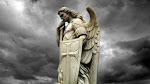
Fourth Sunday of Advent Year A
What unites the first reading and the gospel is the prophecy first delivered to King Ahaz in the waning days of his rule and which the evangelist quotes in the gospel to show how the message delivered to St Joseph about the virginal conception of his betrothed, the Virgin Mary, is a fulfilment of that very same prophecy.
If you suffer from being overly pedantic like me, and if you have read both passages instead of just listening to it, you would realise that the spelling of the Hebrew title translated into English as “God with us,” is spelt differently in both the first reading taken from the Old Testament and the gospel passage which quotes the same. Both Immanuel and Emmanuel are correct spellings, as they are different transliterations of the same Hebrew word meaning "God with us". Immanuel is the direct transliteration from Hebrew, while Emmanuel is the transliteration of the Greek version of the name. The difference in spelling arises because the New Testament was originally written in Greek, which uses the spelling with an "E".
Now that we’ve covered that, let’s go to the substance of what the readings speak about. The context of the first reading is that Ahaz is feeling conflicted when contemplating his political future and the fate of his nation. Should he trust in a human solution to save his country from destruction threatened by a superpower by entering into a treaty with another superpower or should he just place his trust in God? Of course, the prophet Isaiah tells him to trust God and should he have any doubts, Ahaz could simply ask for a sign from God, which he refused initially out of false humility. But when Ahaz refused the sign, Isaiah told him that God insisted on giving him a sign that would be: “the maiden is with child and will soon give birth to a son whom she will call Immanuel, a name which means “God-is-with-us.”’ Some have postulated that this prophecy is referring to Ahaz’s own son, Hezekiah, who proved to be a fairly good albeit imperfect king. But the deliberate ambivalence of the prophecy soon evolved into an expectation of a distant messianic royal heir that would prove to be Israel’s saviour.
While doubtless there was some contemporary fulfilment for Ahaz, the destruction of Jerusalem would be temporarily postponed, the actual fulfilment or “full-filment” would only come in Christ. Pope Benedict XVI calls this prophecy a “word in waiting.” The evangelist, in fact, appeals to this text in Isaiah to show that the birth of our Lord is what Israel had been waiting for through the centuries. In fact, this promise frames the entire gospel of St Matthew.
Some have asked why Jesus wasn’t named Emmanuel as clear proof of the fulfilment of the Isaian prophecy. An obvious reply is that Emmanuel is a title rather than a personal name just like “Christ,” which means the Anointed One or the Messiah. But, Emmanuel is not so much a name or a time as it is a message, “God is with us!” At the beginning of the gospel, Isaiah’s prophecy is invoked here in the infancy narratives and the same gospel closest with the great commission where our Lord promises: “Lo, I am with you always, to the close of the age.” What a joy, what a consolation to know that God is with us now and for all eternity, and that Christ has never left us.
Many a Christmas sermon will dwell on the meaning of Emmanuel, God-with-us, but if we are honest, most of us have known times when God, if there is a god, seems distant, unapproachable, not interested in us or our doings. If we are honest to admit it, many of us would have asked, ‘Where was God during this crisis or that?’ ‘Where was God when I lost my job and am now threatened with losing my home?’ ‘Where was God when my mom or dad died, or when I found out I had a terminal illness?’ St Joseph in today’s passage would have also wondered how he could end up marrying a woman, his betrothed, who was with child not sired by him. Had God abandoned him? These are legitimate questions, and the standard answer, that God was with us as we suffered, rarely convinces. We need a God not afar off but close at hand, and for many, God is not close at hand.
Perhaps instead of trying to answer the question ‘where was God?’ we have to explore the question ‘where is God?’ At first sight, that may seem like a mere play of tenses; but if we stop and think about it, it is anything but semantics. To ask where was God is to ask a question of history, to go back in time; to ask where *is* God is to pray and enter into a relationship with Him here and now. The first question is naturally narcissistic, seems to focus solely on me as the centre of the universe - me me me me! The second question shifts the focus away from ourselves to God. God has not withdrawn Himself from us or hidden Himself in some inexplicable way. He is tangibly though mysteriously present to all who trust and have faith in Him. And that surely, is what the Incarnation has brought about in a most wonderful way.
During his moment of doubt when he was contemplating divorcing his betrothed, the Angel visited Joseph and gave him this assurance. To paraphrase the angelic message: “Do not be afraid! God is with you! Not just literally but in reality! God is with you in that child. So, don’t just think of yourself and the shame which this may befall you but think of the glory of Israel and the salvation of the world which this child will bring. It is indeed a privilege for you to be part of this!”
Likewise, we cannot fear God or think Him unapproachable when we know that in Christ, He has taken human flesh and blood and been born, just as we are, just as dependent as we are. He cannot undo that — He has bound Himself to us for ever and is with us to the end of time. Whatever happens, however low we fall, however much distress or failure we experience, we know Him to be true to His name - Emmanuel. He is with us. God is with us …. Always! And this week, we will celebrate His birth in time. O Come O Come Emmanuel!
Showing posts with label Advent. Show all posts
Tuesday, December 16, 2025
Monday, December 8, 2025
Be Patient because the Lord is coming soon
Third Sunday of Advent Year A
Though many would agree that patience is a virtue, it is often in short supply. We have an expression in Cantonese that best illustrates this lack of patience - “kanchiong” (pardon the self attempt at transliteration). Why is it so difficult for us to be patient, to wait?
Humans, or at least modern humans, are wired for instant self-gratification, to seek pleasure now, and modern life is filled with examples of quick satisfaction, from one-click shopping to instant messaging, to looking for the shortest Masses in town (best below 45 minutes). Impatience, which was once widely viewed as something negative is not seen in a more positive light, a sign of being busy or important, while waiting can be perceived as being lackadaisical. Being enslaved to digital technology does not help. The internet and streaming services provide on-demand content and information, reinforcing the expectation that things should be accessible immediately. Finally, experiencing uncertainty can make people want to control the present moment to make it as pleasant as possible, leading to irritation when there are delays.
Waiting for change and results can be frustrating when we are consumed by this impatient mindset. But the central message of our readings today is clear - transformation and change is certain, our Lord is coming without a doubt, our goal is within reach even if we still cannot see it. St James tells his readers in the second reading: “Be patient, brothers, until the Lord’s coming. Think of a farmer: how patiently he waits for the precious fruit of the ground until it has had the autumn rains and the spring rains! You too have to be patient; do not lose heart, because the Lord’s coming will be soon.”
In the first reading, Isaiah speaks of how an arid desert suddenly blooms into lush green farmland. Though, we wet landers can never imagine this happening, this does occur in certain years when there is ample rainfall. But sometimes, you need to wait for months and even years before you see any substantial rain in these dry lands. The Prophet Isaiah’s description of the transformation of nature is, of course, not meant to be literal. The same could be said when he speaks of what seems to be medically impossible: “Then the eyes of the blind shall be opened, the ears of the deaf unsealed, then the lame shall leap like a deer and the tongues of the dumb sing for joy…”
These images provide the background for John the Baptist’s question to our Lord in the gospel. “Are you the one who is to come, or have we got to wait for someone else?” Or rather, “Is the desert blooming, or not, or do we have to wait for another year?” It is consoling that the great Baptist himself was impatiently waiting for the One he was preparing the people to receive. And the Lord comes back with a definitive yes: the blind see, the lame walk, lepers are cleansed, the deaf hear, the dead are raised, and the poor have the good news proclaimed to them. The miracles which our Lord performed were intended to confirm that He is the “One who is to come.” He is the fulfilment of Isaiah’s prophecy that the rains have come in the desert. Those who were thirsty are now experiencing the life that comes from the living waters of God.
Though many would agree that patience is a virtue, it is often in short supply. We have an expression in Cantonese that best illustrates this lack of patience - “kanchiong” (pardon the self attempt at transliteration). Why is it so difficult for us to be patient, to wait?
Humans, or at least modern humans, are wired for instant self-gratification, to seek pleasure now, and modern life is filled with examples of quick satisfaction, from one-click shopping to instant messaging, to looking for the shortest Masses in town (best below 45 minutes). Impatience, which was once widely viewed as something negative is not seen in a more positive light, a sign of being busy or important, while waiting can be perceived as being lackadaisical. Being enslaved to digital technology does not help. The internet and streaming services provide on-demand content and information, reinforcing the expectation that things should be accessible immediately. Finally, experiencing uncertainty can make people want to control the present moment to make it as pleasant as possible, leading to irritation when there are delays.
Waiting for change and results can be frustrating when we are consumed by this impatient mindset. But the central message of our readings today is clear - transformation and change is certain, our Lord is coming without a doubt, our goal is within reach even if we still cannot see it. St James tells his readers in the second reading: “Be patient, brothers, until the Lord’s coming. Think of a farmer: how patiently he waits for the precious fruit of the ground until it has had the autumn rains and the spring rains! You too have to be patient; do not lose heart, because the Lord’s coming will be soon.”
In the first reading, Isaiah speaks of how an arid desert suddenly blooms into lush green farmland. Though, we wet landers can never imagine this happening, this does occur in certain years when there is ample rainfall. But sometimes, you need to wait for months and even years before you see any substantial rain in these dry lands. The Prophet Isaiah’s description of the transformation of nature is, of course, not meant to be literal. The same could be said when he speaks of what seems to be medically impossible: “Then the eyes of the blind shall be opened, the ears of the deaf unsealed, then the lame shall leap like a deer and the tongues of the dumb sing for joy…”
These images provide the background for John the Baptist’s question to our Lord in the gospel. “Are you the one who is to come, or have we got to wait for someone else?” Or rather, “Is the desert blooming, or not, or do we have to wait for another year?” It is consoling that the great Baptist himself was impatiently waiting for the One he was preparing the people to receive. And the Lord comes back with a definitive yes: the blind see, the lame walk, lepers are cleansed, the deaf hear, the dead are raised, and the poor have the good news proclaimed to them. The miracles which our Lord performed were intended to confirm that He is the “One who is to come.” He is the fulfilment of Isaiah’s prophecy that the rains have come in the desert. Those who were thirsty are now experiencing the life that comes from the living waters of God.
What does all of this have to do with Advent? The virtue of Advent is patience. Most people have little patience for Christmas to happen. They are already putting up Christmas decorations, throwing parties and singing carols at the beginning of December, if not even earlier in November. Now, I don’t wish to sound like the Grinch who attempts to steal the Christmas joy from everyone. God knows how much we need joy in our lives these days! Joy, like patience, is in short supply too. But it is critical to recall once again that Advent isn’t first about Christmas (at least not until the 17th of December); it’s first about the Second Coming of the Lord. It is good to heed the words of St James in the second epistle as he brings to mind the image of a farmer waiting for his yield. The fruits of the earth take time. They cannot be rushed. The law of growth is rest. The soil must not be disturbed. Above all we must not disturb it ourselves by our own egoism. We must not turn it over and dig it up by anxieties and scruples. Anyone who grows things can understand the analogy. When you think about it like this, waiting for seeds to sprout—or for fruit to ripen—is very much like the waiting and the enduring patience which is required of Advent.
The patience of Advent is meant to train us far beyond the patience of waiting to open presents until Christmas, although we all know that such patience can feel like quite the trial when you’re at a certain age! We are waiting for the fulfillment of all things in Christ. We are waiting for the end of the world. We are waiting for the end of our own lives. We are waiting for judgment. We are waiting for God to act and no one is in control of God. We are waiting for a solution to the problem that hangs over our heads like the Sword of Damocles. But let us not forget - He sets the pace. He establishes the time and seasons. He determines the path and the final outcome. All we must do, is patiently and humbly wait upon Him.
But, this doesn’t mean that we have nothing to do. Growing in patience is hard work, you don’t just take it lying down. I’m often amused when people tell me that they need more patience because they find it unendurable to put up with vexing individuals in their lives. I will tell them: “God is indeed answering your prayers. How do you even think of growing in patience if you do not have these individuals in your life?” As hard edges sharpen knives, uncomfortable situations and persons can make a person stronger and more patient.
There are so many ways in which we can begin to cultivate and grow in patience this Advent season. We can grow in patience when we have no visible results for our prayers, sacrifices, and efforts. We can practice patience when we experience our many personal failures and see the failures of others. We can mature in patience when we feel helpless in the face of all the evil and injustice spreading in our world. We can practice patience as we see our Church riddled with scandals and threats of heresies. Our patience is strengthened when we endure many trials and temptations and overcome personal struggles. We grow in patience as we love the ones who irritate and annoy us. So don’t worry. Our patient God will provide us many moments to grow in this virtue of patience as well as the graces of being patient like Him. So, “be patient; do not lose heart, because the Lord’s coming will be soon.”
The patience of Advent is meant to train us far beyond the patience of waiting to open presents until Christmas, although we all know that such patience can feel like quite the trial when you’re at a certain age! We are waiting for the fulfillment of all things in Christ. We are waiting for the end of the world. We are waiting for the end of our own lives. We are waiting for judgment. We are waiting for God to act and no one is in control of God. We are waiting for a solution to the problem that hangs over our heads like the Sword of Damocles. But let us not forget - He sets the pace. He establishes the time and seasons. He determines the path and the final outcome. All we must do, is patiently and humbly wait upon Him.
But, this doesn’t mean that we have nothing to do. Growing in patience is hard work, you don’t just take it lying down. I’m often amused when people tell me that they need more patience because they find it unendurable to put up with vexing individuals in their lives. I will tell them: “God is indeed answering your prayers. How do you even think of growing in patience if you do not have these individuals in your life?” As hard edges sharpen knives, uncomfortable situations and persons can make a person stronger and more patient.
There are so many ways in which we can begin to cultivate and grow in patience this Advent season. We can grow in patience when we have no visible results for our prayers, sacrifices, and efforts. We can practice patience when we experience our many personal failures and see the failures of others. We can mature in patience when we feel helpless in the face of all the evil and injustice spreading in our world. We can practice patience as we see our Church riddled with scandals and threats of heresies. Our patience is strengthened when we endure many trials and temptations and overcome personal struggles. We grow in patience as we love the ones who irritate and annoy us. So don’t worry. Our patient God will provide us many moments to grow in this virtue of patience as well as the graces of being patient like Him. So, “be patient; do not lose heart, because the Lord’s coming will be soon.”
Labels:
Advent,
Last Things,
parable,
Parousia,
patience,
Sunday Homily,
Waiting
Monday, December 1, 2025
The Price for Lasting Peace
Second Sunday of Advent Year A
Recently, New Yorkers elected a man as their new mayor, which many hail as their Saviour whilst others accuse as being a communist. Some see him as a future hope for the city while others view him as one of the four apocalyptic horsemen that would bring about its destruction. What endeared him to most of his supporters was his primary campaign promise to dish out “free stuff.” Free bus. Free housing. Free groceries. Now, who wouldn’t like “free stuff”?
Have you ever longed for a place where everything was “free”? A place where people worked together, shared together and genuinely cared for one another? A place where poverty, conflict, rivalry, violence is absent or abolished entirely? Despite best intentions and best efforts, the lesson we learn from the neo-socialists, communists, democratic governments is that mankind is unable to engineer the perfect society. Why have countless experiments failed or have been unsuccessful? The answer can be found in the very name given to these ventures. It’s the word “utopia.” Utopia, a Greek word, literally means “no place.” The reality is that there never has been a place on earth where human beings created a perfect peaceful community. And often it has been the very people who claim to create an earthly paradise that have caused the most devastating brokenness. The good news is that scripture shows us how peace and perfection will arrive on earth.
In the first reading, the Prophet Isaiah, our principal prophet for this season of Advent, shares with us a prophetic dream of a future society, a perfect paradise. All hatreds and hostilities have disappeared, those who hated and killed their victims are now sitting side by side, the lion and the leopard lie down with the lamb and the gazelle, the child plays with the poisonous snake. Nobody is doing any harm, the poor and the weak are no longer oppressed by injustice, all seems lovey-dovey. It is paradise restored. Sounds like Utopia, right? Problem is that this ‘paradise’, this ‘utopia,’ exists in no place. But will this ever take place? Well, the Prophet Isaiah provides the clue – he points to the shoot that will spring from the stock of Jesse.
The stock or the stump of Jesse actually refers to another failed project, the broken line of the dynasty of David. The dynasty of King David had been cut down like a tree by the Babylonians in 587 B.C. when the city of Jerusalem and the Kingdom of Judah was devastated and the ruling class led into exile. The people were shocked to realise that the dynasty was not really eternal. But had not God assured David: “your house and your kingdom shall endure forever before me; your throne shall stand firm forever” (2 Sam 7:16). Isaiah knew that God must always be true to His word; hence the dynasty in some way will revive. The spirit of the Lord will rest upon the stump and the roots of Jesse, and the people of God will bloom again. New life can emerge from what is perceived as a dead tree. But the solution would not be a human one. It is through God’s direct intervention that the dead tree stump would spring to life again. We need a Saviour, not just a charismatic political leader. Christ would be the answer.
The second reading also presents us with a similarly utopian vision, now of the Church. But the realities that plagued the Church during the time of St Paul’s writings were in fact dystopian. There was building tension between two group of Christians within the community. The smaller group, described as the “weak,” liked very much a traditional form of religion, prayed a lot and mortified themselves, and observed a lot of prescriptions. The other group, named the “strong,” did not pay attention to such “small” things, which they considered trivial, and held that one did not have to follow the old law; the only necessary thing was to be faithful to Christ. The two groups abused each other: the weak “passed judgment” on the strong ones, calling them unfaithful and these, in their turn “had contempt” for the weak ones, classifying them as traditionalists and without understanding. Sounds familiar?
St Paul recommends to all to be charitable, to show love and reciprocal respect. He did not need to reinvent the wheel and come up with a new blueprint for this community. Christ is THE BLUEPRINT! Our Lord, who did not seek to please Himself but placed Himself at the service of others, is the model par excellence for the qualities needed for community living. What He gives to us is “free”, salvation is a free gift because it is not something we can ever earn. But it comes at the greatest cost to Himself – He paid the cost through His own life. Harmony in the community could only be assured by the member’s commitment to Christ. St Paul challenged the “strong” as well as the “weak” to “treat each other in the same friendly way as Christ treated” them. Rather than engage in mutual criticism that would only engender hostility, they should learn “to be tolerant with each other, following the example of Christ Jesus, so that united in mind and voice (they) may give glory to God and Father of our Lord Jesus Christ.”
Finally, we come to the gospel and discover the key to Peace. It is to be found in the keynote message of the gospel and that of Advent - repentance. In today’s gospel, we hear the story of how St John the Baptist preached this message, “Repent, for the Kingdom of heaven is close at hand.” What does the word Repentance mean? In Hebrew, the word for conversion (shubh) indicates that one has taken a wrong path, and once he has become aware of his detour, the individual returns to the right path in order to return to God. So too the Greek word, metanoia involves not just a static remorse but a dynamic and determined about-face, a positive commitment to a new way of life. Significantly, conversion is not a purely human decision or endeavour. Rather, conversion is a human response to the prior initiative of God.
Repentance means turning to Christ. Repentance means putting on Christ and becoming Christ. The word “Christian” means “of Christ” or a “little Christ.” It means putting God in the first place in our lives and making sure that everything else finds its rightful places in our lives under God. Repentance means letting go of our own will, in order to follow the things that God wills for us. It means turning away from sin and all rebellion against God, in order to be obedient to God and to follow Him in all that He wants from us. Repentance means owning up to our sin, our human frailties, our fears, our inner hurts and entrusting all these to God’s mercy and compassion. Repentance means knowing our need of God. In turning our lives around, we come to recognise that our self-sufficiency is inadequate and that we need to cooperate with God in our own salvation. Repentance therefore is not a one-time thing. It is a process that goes on for a lifetime. Little by little we orientate ourselves ever more perfectly in God’s love.
So as we continue our journey to Christmas, we need to repent of our comfortableness with sin. This is the only way our society and the Church can be transformed. Various utopian experiments that have sought to improve mankind and create a peaceable environment have failed. Lasting peace would not be found in any peace treaty or socio-political or economic reform. This is because, if God is not part of the equation, Utopia would remain a dream. But God’s effort to bring peace will not fail. It will succeed—through Jesus Christ and the establishment of God’s Kingdom. The Kingdom is both “free” and costly. Free because our Lord offers it to us freely. Costly because He has already paid the price for this gift. So, prepare the Way of the Lord!
Recently, New Yorkers elected a man as their new mayor, which many hail as their Saviour whilst others accuse as being a communist. Some see him as a future hope for the city while others view him as one of the four apocalyptic horsemen that would bring about its destruction. What endeared him to most of his supporters was his primary campaign promise to dish out “free stuff.” Free bus. Free housing. Free groceries. Now, who wouldn’t like “free stuff”?
Have you ever longed for a place where everything was “free”? A place where people worked together, shared together and genuinely cared for one another? A place where poverty, conflict, rivalry, violence is absent or abolished entirely? Despite best intentions and best efforts, the lesson we learn from the neo-socialists, communists, democratic governments is that mankind is unable to engineer the perfect society. Why have countless experiments failed or have been unsuccessful? The answer can be found in the very name given to these ventures. It’s the word “utopia.” Utopia, a Greek word, literally means “no place.” The reality is that there never has been a place on earth where human beings created a perfect peaceful community. And often it has been the very people who claim to create an earthly paradise that have caused the most devastating brokenness. The good news is that scripture shows us how peace and perfection will arrive on earth.
In the first reading, the Prophet Isaiah, our principal prophet for this season of Advent, shares with us a prophetic dream of a future society, a perfect paradise. All hatreds and hostilities have disappeared, those who hated and killed their victims are now sitting side by side, the lion and the leopard lie down with the lamb and the gazelle, the child plays with the poisonous snake. Nobody is doing any harm, the poor and the weak are no longer oppressed by injustice, all seems lovey-dovey. It is paradise restored. Sounds like Utopia, right? Problem is that this ‘paradise’, this ‘utopia,’ exists in no place. But will this ever take place? Well, the Prophet Isaiah provides the clue – he points to the shoot that will spring from the stock of Jesse.
The stock or the stump of Jesse actually refers to another failed project, the broken line of the dynasty of David. The dynasty of King David had been cut down like a tree by the Babylonians in 587 B.C. when the city of Jerusalem and the Kingdom of Judah was devastated and the ruling class led into exile. The people were shocked to realise that the dynasty was not really eternal. But had not God assured David: “your house and your kingdom shall endure forever before me; your throne shall stand firm forever” (2 Sam 7:16). Isaiah knew that God must always be true to His word; hence the dynasty in some way will revive. The spirit of the Lord will rest upon the stump and the roots of Jesse, and the people of God will bloom again. New life can emerge from what is perceived as a dead tree. But the solution would not be a human one. It is through God’s direct intervention that the dead tree stump would spring to life again. We need a Saviour, not just a charismatic political leader. Christ would be the answer.
The second reading also presents us with a similarly utopian vision, now of the Church. But the realities that plagued the Church during the time of St Paul’s writings were in fact dystopian. There was building tension between two group of Christians within the community. The smaller group, described as the “weak,” liked very much a traditional form of religion, prayed a lot and mortified themselves, and observed a lot of prescriptions. The other group, named the “strong,” did not pay attention to such “small” things, which they considered trivial, and held that one did not have to follow the old law; the only necessary thing was to be faithful to Christ. The two groups abused each other: the weak “passed judgment” on the strong ones, calling them unfaithful and these, in their turn “had contempt” for the weak ones, classifying them as traditionalists and without understanding. Sounds familiar?
St Paul recommends to all to be charitable, to show love and reciprocal respect. He did not need to reinvent the wheel and come up with a new blueprint for this community. Christ is THE BLUEPRINT! Our Lord, who did not seek to please Himself but placed Himself at the service of others, is the model par excellence for the qualities needed for community living. What He gives to us is “free”, salvation is a free gift because it is not something we can ever earn. But it comes at the greatest cost to Himself – He paid the cost through His own life. Harmony in the community could only be assured by the member’s commitment to Christ. St Paul challenged the “strong” as well as the “weak” to “treat each other in the same friendly way as Christ treated” them. Rather than engage in mutual criticism that would only engender hostility, they should learn “to be tolerant with each other, following the example of Christ Jesus, so that united in mind and voice (they) may give glory to God and Father of our Lord Jesus Christ.”
Finally, we come to the gospel and discover the key to Peace. It is to be found in the keynote message of the gospel and that of Advent - repentance. In today’s gospel, we hear the story of how St John the Baptist preached this message, “Repent, for the Kingdom of heaven is close at hand.” What does the word Repentance mean? In Hebrew, the word for conversion (shubh) indicates that one has taken a wrong path, and once he has become aware of his detour, the individual returns to the right path in order to return to God. So too the Greek word, metanoia involves not just a static remorse but a dynamic and determined about-face, a positive commitment to a new way of life. Significantly, conversion is not a purely human decision or endeavour. Rather, conversion is a human response to the prior initiative of God.
Repentance means turning to Christ. Repentance means putting on Christ and becoming Christ. The word “Christian” means “of Christ” or a “little Christ.” It means putting God in the first place in our lives and making sure that everything else finds its rightful places in our lives under God. Repentance means letting go of our own will, in order to follow the things that God wills for us. It means turning away from sin and all rebellion against God, in order to be obedient to God and to follow Him in all that He wants from us. Repentance means owning up to our sin, our human frailties, our fears, our inner hurts and entrusting all these to God’s mercy and compassion. Repentance means knowing our need of God. In turning our lives around, we come to recognise that our self-sufficiency is inadequate and that we need to cooperate with God in our own salvation. Repentance therefore is not a one-time thing. It is a process that goes on for a lifetime. Little by little we orientate ourselves ever more perfectly in God’s love.
So as we continue our journey to Christmas, we need to repent of our comfortableness with sin. This is the only way our society and the Church can be transformed. Various utopian experiments that have sought to improve mankind and create a peaceable environment have failed. Lasting peace would not be found in any peace treaty or socio-political or economic reform. This is because, if God is not part of the equation, Utopia would remain a dream. But God’s effort to bring peace will not fail. It will succeed—through Jesus Christ and the establishment of God’s Kingdom. The Kingdom is both “free” and costly. Free because our Lord offers it to us freely. Costly because He has already paid the price for this gift. So, prepare the Way of the Lord!
Labels:
Advent,
Christmas,
Cross,
Mercy,
peace,
Repentance,
Sacrifice,
salvation,
Sunday Homily
Sunday, November 23, 2025
There can be no peace without Christ
First Sunday of Advent Year A
One of President Trump’s biggest boasts, and he has good reason to trumpet this (pardon the pun), is that he is the “Peace President,” since he has brokered numerous peace treaties throughout the world within the first year of his presidency. One last trophy that he aspires would be to end the bloody conflict between Ukraine and Russia, a peace deal which has eluded him thus far. Well, we still have until Christmas, and that would be a wondrous Christmas gift for all stakeholders. Global peace is not just a universal aspiration in modern times but something desired throughout mankind’s turbulent history. The prophet Isaiah in the first reading sums this up in his vision: “Nation will not lift sword against nation, there will be no more training for war.”
Even as breaches against ceasefire treaties take place in various hotspots, threatening to throw warring parties back into war, the question remains: how long would this last? How can we ever get from a bloodthirsty crowd to become peaceniks? The readings on this First Sunday of Advent provide us with the answer. There can be no peace, if such peace does not exist within our hearts. And for that peace to reign in our hearts, God must rule it. And the reason why lasting peace eludes us is that we haven’t yet allowed God to truly rule our hearts.
Yes, lasting peace cannot be merely achieved through human brokered peace treaties. Threats of nuclear annihilation and oppressive trade sanctions may serve as a temporary deterrent, but violence cannot be defeated by more violence or threats of it. There may be superficial and temporary ceasefire but hatred festers unseen within the heart. Martin Luther King Jr. prophetically said: “Darkness cannot drive out darkness: only light can do that. Hate cannot drive out hate: only love can do that.” This profound sentiment embraces the spirit of Advent and the hope that is rooted in Christ— He is the Light that has penetrated our darkness in order to dispel it, the Prince of Peace who has come to “wield authority over the nations and adjudicate between the many peoples; these will hammer their swords into ploughshares, their spears into sickles.”
In the first reading, the Prophet Isaiah provides us with an astounding spoiler alert of how things would end, how darkness would be conquered by the light and how hatred would be defeated by love. You would imagine that Isaiah or God who revealed this to him would have kept this surprise to the very end, but God does not waste time in playing games with us nor wishes to keep us in suspense. The glorious ending has already been written. The peoples of Isaiah’s days see a besieged city on the brink of destruction sitting on a modest hill but God wishes to present them with an entirely new POV. The hill on which Jerusalem lies is not a particularly high one, but when Christ comes it will be a towering mountain, dominating the whole world. All nations will realise its importance and come to Jerusalem not to conquer it or to destroy it but to draw salvation from it, the source of all salvation. God will teach the people His ways, wield authority over nations, and adjudicate among the peoples. When people listen to the voice of God and abide by His will, all striving and conflict will end.
St Paul in the second reading makes a similar call when he tells us to “wake up” because “our salvation is even nearer than it was when we were converted. The night is almost over, it will be daylight soon – let us give up all the things we prefer to do under cover of the dark; let us arm ourselves and appear in the light. Let us live decently as people do in the daytime: no drunken orgies, no promiscuity or licentiousness, and no wrangling or jealousy. Let your armour be the Lord Jesus Christ.” St Paul’s diagnosis of the malaise of his time is equally applicable today. People continue to deliberately choose to live in sin and darkness rather than to walk in the light of Christ. That is why every Advent becomes an urgent call to “wake up” from this stupor, to repent of our sins but also to prophetically and challenge the world to do the same.
Our Lord in our Gospel today speaks to His disciples and us: “So stay awake, because you do not know the day when your master is coming,” and then adds at the very end: “Therefore, you too must stand ready because the Son of Man is coming at an hour you do not expect.” This season of preparation for the Birth of Christ should cause us to pause to have perspective on our relationship with the Lord and make space in our hearts and lives to bring His light where there may be shadows of sin and selfishness. God’s love wants to break through the darkness so that we may be redeemed and be made new in His promises—this is our great hope. Let us be clear - only He alone can bring peace to your troubled hearts, your broken homes, and this conflicted world of ours.
In the year following the horrendous attack on the World Trade Centre in New York on September 11, Pope St John Paul II wrote these prophetic words in his message for World Day of Prayer for Peace: “No peace without justice, no justice without forgiveness: I shall not tire of repeating this warning to those who, for one reason or another, nourish feelings of hatred, a desire for revenge or the will to destroy. But only Christ can bring perfect justice and offer perfect forgiveness, for this reason, my dear brothers and sisters, there can be no peace without Christ.”
May we take in, the grace of this season—quieting ourselves so that we may watch and listen for the Lord who is already present in our midst. Make Him the centre of your lives. Let Him rule your hearts. Let His light penetrate your homes and workplace. He is coming, let us be awake, vigilant, and ready to welcome Him. Indeed, let us heed the words of the Psalmist: “Let us go rejoicing to the house of the Lord” and never forget that “there can be no peace without Christ.”
One of President Trump’s biggest boasts, and he has good reason to trumpet this (pardon the pun), is that he is the “Peace President,” since he has brokered numerous peace treaties throughout the world within the first year of his presidency. One last trophy that he aspires would be to end the bloody conflict between Ukraine and Russia, a peace deal which has eluded him thus far. Well, we still have until Christmas, and that would be a wondrous Christmas gift for all stakeholders. Global peace is not just a universal aspiration in modern times but something desired throughout mankind’s turbulent history. The prophet Isaiah in the first reading sums this up in his vision: “Nation will not lift sword against nation, there will be no more training for war.”
Even as breaches against ceasefire treaties take place in various hotspots, threatening to throw warring parties back into war, the question remains: how long would this last? How can we ever get from a bloodthirsty crowd to become peaceniks? The readings on this First Sunday of Advent provide us with the answer. There can be no peace, if such peace does not exist within our hearts. And for that peace to reign in our hearts, God must rule it. And the reason why lasting peace eludes us is that we haven’t yet allowed God to truly rule our hearts.
Yes, lasting peace cannot be merely achieved through human brokered peace treaties. Threats of nuclear annihilation and oppressive trade sanctions may serve as a temporary deterrent, but violence cannot be defeated by more violence or threats of it. There may be superficial and temporary ceasefire but hatred festers unseen within the heart. Martin Luther King Jr. prophetically said: “Darkness cannot drive out darkness: only light can do that. Hate cannot drive out hate: only love can do that.” This profound sentiment embraces the spirit of Advent and the hope that is rooted in Christ— He is the Light that has penetrated our darkness in order to dispel it, the Prince of Peace who has come to “wield authority over the nations and adjudicate between the many peoples; these will hammer their swords into ploughshares, their spears into sickles.”
In the first reading, the Prophet Isaiah provides us with an astounding spoiler alert of how things would end, how darkness would be conquered by the light and how hatred would be defeated by love. You would imagine that Isaiah or God who revealed this to him would have kept this surprise to the very end, but God does not waste time in playing games with us nor wishes to keep us in suspense. The glorious ending has already been written. The peoples of Isaiah’s days see a besieged city on the brink of destruction sitting on a modest hill but God wishes to present them with an entirely new POV. The hill on which Jerusalem lies is not a particularly high one, but when Christ comes it will be a towering mountain, dominating the whole world. All nations will realise its importance and come to Jerusalem not to conquer it or to destroy it but to draw salvation from it, the source of all salvation. God will teach the people His ways, wield authority over nations, and adjudicate among the peoples. When people listen to the voice of God and abide by His will, all striving and conflict will end.
St Paul in the second reading makes a similar call when he tells us to “wake up” because “our salvation is even nearer than it was when we were converted. The night is almost over, it will be daylight soon – let us give up all the things we prefer to do under cover of the dark; let us arm ourselves and appear in the light. Let us live decently as people do in the daytime: no drunken orgies, no promiscuity or licentiousness, and no wrangling or jealousy. Let your armour be the Lord Jesus Christ.” St Paul’s diagnosis of the malaise of his time is equally applicable today. People continue to deliberately choose to live in sin and darkness rather than to walk in the light of Christ. That is why every Advent becomes an urgent call to “wake up” from this stupor, to repent of our sins but also to prophetically and challenge the world to do the same.
Our Lord in our Gospel today speaks to His disciples and us: “So stay awake, because you do not know the day when your master is coming,” and then adds at the very end: “Therefore, you too must stand ready because the Son of Man is coming at an hour you do not expect.” This season of preparation for the Birth of Christ should cause us to pause to have perspective on our relationship with the Lord and make space in our hearts and lives to bring His light where there may be shadows of sin and selfishness. God’s love wants to break through the darkness so that we may be redeemed and be made new in His promises—this is our great hope. Let us be clear - only He alone can bring peace to your troubled hearts, your broken homes, and this conflicted world of ours.
In the year following the horrendous attack on the World Trade Centre in New York on September 11, Pope St John Paul II wrote these prophetic words in his message for World Day of Prayer for Peace: “No peace without justice, no justice without forgiveness: I shall not tire of repeating this warning to those who, for one reason or another, nourish feelings of hatred, a desire for revenge or the will to destroy. But only Christ can bring perfect justice and offer perfect forgiveness, for this reason, my dear brothers and sisters, there can be no peace without Christ.”
May we take in, the grace of this season—quieting ourselves so that we may watch and listen for the Lord who is already present in our midst. Make Him the centre of your lives. Let Him rule your hearts. Let His light penetrate your homes and workplace. He is coming, let us be awake, vigilant, and ready to welcome Him. Indeed, let us heed the words of the Psalmist: “Let us go rejoicing to the house of the Lord” and never forget that “there can be no peace without Christ.”
Labels:
Advent,
Christ the King,
conversion,
Justice,
peace,
Repentance,
Sunday Homily
Monday, December 16, 2024
Blessed is she
Fourth Sunday of Advent Year C
If you pray the Holy Rosary regularly, you would immediately recognise that the Joyful Mystery of Mary’s Visitation to her cousin Elizabeth comes immediately after the Annunciation and before the Nativity of our Lord, Christmas. It is therefore not surprising to have the gospel for this Sunday focusing on this story of the meeting of these two women. But more importantly, it was the first meeting between the sons they were carrying within their wombs, the cousins Jesus and John the Baptist. And less the audience were to forget them as they nestled not so quietly within their mothers’ wombs, hidden and off-camera, the text throws light on them to ensure that we do not forget that the entire story would be theirs, and less of their mothers.
Elizabeth would take on a prophetic role by announcing what is really taking place behind the scene. The hand of God is at work even as mortals play out the drama of human relations and emotions. Elizabeth inspired by the Holy Spirit declares and pronounces a series of blessings - two addressed to Mary, and one to the child within her womb. This is not the Beatitude of the Sermon on the Mount found in Matthew’s gospel nor the set found in the Sermon on the plain in Luke’s. Nevertheless, Elizabeth uses the Greek word which also translates into “happy” which we would find in both sets of beatitudes - makarios. Here it is translated as “blessed.”
“Makarios” was derived from two root words: “mak”, to become large, and “charis”, grace. For, one who is blessed has been enlarged, or magnified, by grace. It was, therefore, a word reserved for the elite, and then only the crème de la crème. During the classical Greek era, makarios described the status of the gods, emphasising their power and wealth. At times, it also described the state of the dead, since through death they had now arrived at the world of the gods. They were beyond the cares and worries common to the living, and now enjoyed the company of the gods. But during our Lord’s era, the word makarios was used to describe those who had everything money could buy – those who lived like the gods. They were enjoying the personal satisfaction of their achievements, the height of socio-economic status, the best political connections, and the wealth of enduring and enriching personal relationships. Makarios was the supreme blessing. It was synonymous with all the joys of the life hereafter. Thus, it was not a descriptive term thrown around lightly.
And now Elizabeth uses this very concept in various ways.
Firstly, in referring to Mary as most blessed among all women. The Old Testament mentions and even sings praises of several of these women and the gospel of St Matthew even intertwines some of their names into the patrilineal genealogy of our Lord. But Mary stands out among all these women. The next part of Elizabeth’s announcement would give the reason for Mary’s supreme blessedness.
Elizabeth now declares the child within Mary’s womb as “blessed” too but not in the way as Mary is blessed. The blessedness of Mary is ascribed to her by God as it is announced by the Angel Gabriel at the Annunciation. In both the Annunciation and here in the Visitation, Mary is declared to be the mother of the Lord, the Most High God. God is not just blessed or the source of blessedness. The only one truly blessed in Himself is God and Jesus is the incarnate makarios, worthy to receive the threefold declaration of the angels, “holy, holy, holy.”
Elizabeth would conclude her prophetic outburst with a final makarios: “blessed is she who believed that the promise made her by the Lord would be fulfilled.” It is by virtue of her faith and her obedience that Mary is hailed as blessed. The faith of Mary is a light for the whole world, and which will not be put out by night. She was and is a woman of incredible faith, who believed the prophets and trusted the angelic messengers, even when the message seemed beyond human credibility. In this, she serves as an example for us. For, she stands under the promise, even when that promise seems definitively thwarted by the forces of evil. It is under this third use of the word of “Makarios” that we can share in Mary’s blessedness. We too are blessed when we believe in the promises of God, and act upon them.
This is how we should prepare ourselves in the next few days leading up to the great feast of Christmas. We have truly been “blessed”, our grace has been enlarged, our hearts have been emboldened, our hope has been renewed, knowing that the Lord is on His way, not just to visit us but to be one with us, united with us in body and soul, sharing with us His divinity as He humbly shared in our humanity. Instead of all the bad news we may be hearing these days, let the greetings of this holy season bring such joy and peace to us so that we too may leap with joy as the Baptist did in his mother’s womb. And just as Mary believed God, and so Jesus Christ took flesh within her, at this Mass, let us not doubt that Jesus Christ is going to take flesh once more in the Blessed Sacrament and enter each one of us as He entered the body of His Blessed Mother. Let’s ask for the faith truly to believe that this is so—that through this Eucharist, Christ’s Body is united to ours. If we believe in the fulfilment of the promise made to us that He is truly really and substantially present, we are indeed blessed!
If you pray the Holy Rosary regularly, you would immediately recognise that the Joyful Mystery of Mary’s Visitation to her cousin Elizabeth comes immediately after the Annunciation and before the Nativity of our Lord, Christmas. It is therefore not surprising to have the gospel for this Sunday focusing on this story of the meeting of these two women. But more importantly, it was the first meeting between the sons they were carrying within their wombs, the cousins Jesus and John the Baptist. And less the audience were to forget them as they nestled not so quietly within their mothers’ wombs, hidden and off-camera, the text throws light on them to ensure that we do not forget that the entire story would be theirs, and less of their mothers.
Elizabeth would take on a prophetic role by announcing what is really taking place behind the scene. The hand of God is at work even as mortals play out the drama of human relations and emotions. Elizabeth inspired by the Holy Spirit declares and pronounces a series of blessings - two addressed to Mary, and one to the child within her womb. This is not the Beatitude of the Sermon on the Mount found in Matthew’s gospel nor the set found in the Sermon on the plain in Luke’s. Nevertheless, Elizabeth uses the Greek word which also translates into “happy” which we would find in both sets of beatitudes - makarios. Here it is translated as “blessed.”
“Makarios” was derived from two root words: “mak”, to become large, and “charis”, grace. For, one who is blessed has been enlarged, or magnified, by grace. It was, therefore, a word reserved for the elite, and then only the crème de la crème. During the classical Greek era, makarios described the status of the gods, emphasising their power and wealth. At times, it also described the state of the dead, since through death they had now arrived at the world of the gods. They were beyond the cares and worries common to the living, and now enjoyed the company of the gods. But during our Lord’s era, the word makarios was used to describe those who had everything money could buy – those who lived like the gods. They were enjoying the personal satisfaction of their achievements, the height of socio-economic status, the best political connections, and the wealth of enduring and enriching personal relationships. Makarios was the supreme blessing. It was synonymous with all the joys of the life hereafter. Thus, it was not a descriptive term thrown around lightly.
And now Elizabeth uses this very concept in various ways.
Firstly, in referring to Mary as most blessed among all women. The Old Testament mentions and even sings praises of several of these women and the gospel of St Matthew even intertwines some of their names into the patrilineal genealogy of our Lord. But Mary stands out among all these women. The next part of Elizabeth’s announcement would give the reason for Mary’s supreme blessedness.
Elizabeth now declares the child within Mary’s womb as “blessed” too but not in the way as Mary is blessed. The blessedness of Mary is ascribed to her by God as it is announced by the Angel Gabriel at the Annunciation. In both the Annunciation and here in the Visitation, Mary is declared to be the mother of the Lord, the Most High God. God is not just blessed or the source of blessedness. The only one truly blessed in Himself is God and Jesus is the incarnate makarios, worthy to receive the threefold declaration of the angels, “holy, holy, holy.”
Elizabeth would conclude her prophetic outburst with a final makarios: “blessed is she who believed that the promise made her by the Lord would be fulfilled.” It is by virtue of her faith and her obedience that Mary is hailed as blessed. The faith of Mary is a light for the whole world, and which will not be put out by night. She was and is a woman of incredible faith, who believed the prophets and trusted the angelic messengers, even when the message seemed beyond human credibility. In this, she serves as an example for us. For, she stands under the promise, even when that promise seems definitively thwarted by the forces of evil. It is under this third use of the word of “Makarios” that we can share in Mary’s blessedness. We too are blessed when we believe in the promises of God, and act upon them.
This is how we should prepare ourselves in the next few days leading up to the great feast of Christmas. We have truly been “blessed”, our grace has been enlarged, our hearts have been emboldened, our hope has been renewed, knowing that the Lord is on His way, not just to visit us but to be one with us, united with us in body and soul, sharing with us His divinity as He humbly shared in our humanity. Instead of all the bad news we may be hearing these days, let the greetings of this holy season bring such joy and peace to us so that we too may leap with joy as the Baptist did in his mother’s womb. And just as Mary believed God, and so Jesus Christ took flesh within her, at this Mass, let us not doubt that Jesus Christ is going to take flesh once more in the Blessed Sacrament and enter each one of us as He entered the body of His Blessed Mother. Let’s ask for the faith truly to believe that this is so—that through this Eucharist, Christ’s Body is united to ours. If we believe in the fulfilment of the promise made to us that He is truly really and substantially present, we are indeed blessed!
Labels:
Advent,
Holiness,
Joy,
Mary,
Sunday Homily,
Visitation
Monday, December 9, 2024
Don't Worry! Be Happy!
Third Sunday of Advent Year C
Christmas is just over a week away, and for many the air of excitement is just plain electrifying. For most of us, we can’t wait for it to happen! And yet, this season often ushers a troubling sense of melancholy. For many, they know that this should be a season of rejoicing but it doesn’t always feel this way for one reason or another. The children have left for overseas and the home feels like an empty nest. A particular loved one that had always been part of our annual Christmas celebrations is no longer here and it just doesn’t feel the same. Anxiety building up over the future - rising expenses, financial instabilities, a recently diagnosed ailment that could worsen within weeks and months. The call of today’s liturgy to “rejoice” seems to ring hollow. Is the Church calling us to excite ourselves, some form of self- delusional “syiok sendiri” (self-induced elation)?
The readings exhort, in fact, they command us to rejoice by using an entire list of synonymous verbs to express that exuberance: shout for joy, shout aloud, exult with all your heart, sing and shout for joy, give thanks to the Lord and who can forget St Paul’s “be happy!” In fact, Paul’s words in the second reading sound like that famous song by Bobby McFerrin, “Don’t worry! Be Happy!”
The Joy which the liturgy and readings speak of is not something which comes upon suddenly and instantaneously, like a shot of adrenaline or dopamine. This joy isn’t a sudden outburst. It has been building within us, the closer the Good News has drawn. This is the joy of all the ages bursting and singing forth, building up over the centuries, prophesied by the prophets, announced by St John the Baptist, knowing the Good News that is about to be bestowed upon us all. It can hardly be contained. In fact, it can’t be.
In the first reading, the prophet Zephaniah commands Jerusalem to rejoice and gives the reason for it. “The Lord has repealed your sentence; He has driven your enemies away. The Lord, the king of Israel, is in your midst; you have no more evil to fear.” Yes, we should have every reason to rejoice and celebrate because our Lord has forgiven our sins; He has removed the curse of Original Sin that laid like the Sword of Damocles over our heads; He has defeated our enemies - sin, death and the devil. But there is more. Zephaniah adds that God rejoices over us! With gladness! “The Lord your God is in your midst, a victorious warrior. He will exult with joy over you, He will renew you by His love; He will dance with shouts of joy for you as on a day of festival.” God is rejoicing over us and that should be a great reason if any for us to rejoice.
St Paul in the second reading lays down the reason why he wants us to be happy. Let’s start with the flip side of happiness which is unhappiness. What is the main cause of unhappiness? Paul tells us that it is anxiety - worries. We worry because we lack trust in God. And worry leads to unrest and the lack of peace which eventually leads to unhappiness. And that is the reason why St Paul tells us that the path to happiness is praying and placing our trust in the Lord: “There is no need to worry; but if there is anything you need, pray for it, asking God for it with prayer and thanksgiving, and that peace of God, which is so much greater than we can understand, will guard your hearts and your thoughts, in Christ Jesus.” Notice that Paul doesn’t promise that we will get what we prayed for. Our true reward, the answer to our prayer is the “peace of God, which is so much greater than we can understand.”
This is the reason why we can still rejoice when things do not seem to be going our way or according to our plans, when we are facing one crisis or another, when we have suffered loss and are experiencing loneliness and alienation. Because as long as we do not lose faith in God and continue to persevere in pray, the “peace of God, which is so much greater than we can understand, will guard your hearts and your thoughts, in Christ Jesus.” Peace is not the absence of conflict or problems. Peace involves presence rather than absence. It comes with the acknowledgement that God is in our midst, “a victorious warrior. He will exult with joy over you, He will renew you by His love; He will dance with shouts of joy for you as on a day of festival.”
And finally, we come to the gospel and the final herald of joy, St John the Baptist. John doesn’t strike us as a Pollyanna-like optimistic figure. In fact, he strikes us as quite the opposite. Solemn, sombre and rigidly kill-joy. Unlike the other two figures we encountered in the first and the second reading, John does not burst forth in a cheer leader’s rallying cry exhorting us to rejoice. On the contrary, he provides strict moral guidance to his audience to share, to avoid greed and intimidation and then uses apocalyptic language of judgment to speak of the One who is coming, one who is superior to John and who “will baptise you with the Holy Spirit and fire. His winnowing-fan is in his hand to clear his threshing-floor and to gather the wheat into his barn; but the chaff he will burn in a fire that will never go out.”
The idea of judgment - separation of the wheat from the chaff and the destruction of the latter - does not naturally inspire joy. And yet St Luke describes this message as “good news”! And it is good news because it expresses the fundamental preparatory work of John - calling his listeners to repentance, to separate themselves from the chaff of sin. And before we think of the image of fire pointing to the eternal hell fire which all damned unrepentant souls must endure for eternity, we must also remember that fire represents the Holy Spirit which we receive in Baptism and a greater outpouring at Confirmation. Fire too represents the purgative element of God’s love, refining us, purifying us, restoring us, beautifying us. The prophet Zephaniah alluded to this in the first reading when he prophesied the Lord’s coming into our midst to “renew” us by His love.
So, as the weeks of Advent draw to a close and the days and nights of December lead us closer to that solemn night where our Lord and Saviour was born in the City of David, let us not choose to wallow in self-pity or crippling worries. We are commanded today to rejoice, and we do so not by finding substitutes to Christ in the form of intoxicants or other means of entertainment. Lasting joy cannot be found in any human pursuits but in God alone. He alone gives us the joy we seek.
Christmas is just over a week away, and for many the air of excitement is just plain electrifying. For most of us, we can’t wait for it to happen! And yet, this season often ushers a troubling sense of melancholy. For many, they know that this should be a season of rejoicing but it doesn’t always feel this way for one reason or another. The children have left for overseas and the home feels like an empty nest. A particular loved one that had always been part of our annual Christmas celebrations is no longer here and it just doesn’t feel the same. Anxiety building up over the future - rising expenses, financial instabilities, a recently diagnosed ailment that could worsen within weeks and months. The call of today’s liturgy to “rejoice” seems to ring hollow. Is the Church calling us to excite ourselves, some form of self- delusional “syiok sendiri” (self-induced elation)?
The readings exhort, in fact, they command us to rejoice by using an entire list of synonymous verbs to express that exuberance: shout for joy, shout aloud, exult with all your heart, sing and shout for joy, give thanks to the Lord and who can forget St Paul’s “be happy!” In fact, Paul’s words in the second reading sound like that famous song by Bobby McFerrin, “Don’t worry! Be Happy!”
The Joy which the liturgy and readings speak of is not something which comes upon suddenly and instantaneously, like a shot of adrenaline or dopamine. This joy isn’t a sudden outburst. It has been building within us, the closer the Good News has drawn. This is the joy of all the ages bursting and singing forth, building up over the centuries, prophesied by the prophets, announced by St John the Baptist, knowing the Good News that is about to be bestowed upon us all. It can hardly be contained. In fact, it can’t be.
In the first reading, the prophet Zephaniah commands Jerusalem to rejoice and gives the reason for it. “The Lord has repealed your sentence; He has driven your enemies away. The Lord, the king of Israel, is in your midst; you have no more evil to fear.” Yes, we should have every reason to rejoice and celebrate because our Lord has forgiven our sins; He has removed the curse of Original Sin that laid like the Sword of Damocles over our heads; He has defeated our enemies - sin, death and the devil. But there is more. Zephaniah adds that God rejoices over us! With gladness! “The Lord your God is in your midst, a victorious warrior. He will exult with joy over you, He will renew you by His love; He will dance with shouts of joy for you as on a day of festival.” God is rejoicing over us and that should be a great reason if any for us to rejoice.
St Paul in the second reading lays down the reason why he wants us to be happy. Let’s start with the flip side of happiness which is unhappiness. What is the main cause of unhappiness? Paul tells us that it is anxiety - worries. We worry because we lack trust in God. And worry leads to unrest and the lack of peace which eventually leads to unhappiness. And that is the reason why St Paul tells us that the path to happiness is praying and placing our trust in the Lord: “There is no need to worry; but if there is anything you need, pray for it, asking God for it with prayer and thanksgiving, and that peace of God, which is so much greater than we can understand, will guard your hearts and your thoughts, in Christ Jesus.” Notice that Paul doesn’t promise that we will get what we prayed for. Our true reward, the answer to our prayer is the “peace of God, which is so much greater than we can understand.”
This is the reason why we can still rejoice when things do not seem to be going our way or according to our plans, when we are facing one crisis or another, when we have suffered loss and are experiencing loneliness and alienation. Because as long as we do not lose faith in God and continue to persevere in pray, the “peace of God, which is so much greater than we can understand, will guard your hearts and your thoughts, in Christ Jesus.” Peace is not the absence of conflict or problems. Peace involves presence rather than absence. It comes with the acknowledgement that God is in our midst, “a victorious warrior. He will exult with joy over you, He will renew you by His love; He will dance with shouts of joy for you as on a day of festival.”
And finally, we come to the gospel and the final herald of joy, St John the Baptist. John doesn’t strike us as a Pollyanna-like optimistic figure. In fact, he strikes us as quite the opposite. Solemn, sombre and rigidly kill-joy. Unlike the other two figures we encountered in the first and the second reading, John does not burst forth in a cheer leader’s rallying cry exhorting us to rejoice. On the contrary, he provides strict moral guidance to his audience to share, to avoid greed and intimidation and then uses apocalyptic language of judgment to speak of the One who is coming, one who is superior to John and who “will baptise you with the Holy Spirit and fire. His winnowing-fan is in his hand to clear his threshing-floor and to gather the wheat into his barn; but the chaff he will burn in a fire that will never go out.”
The idea of judgment - separation of the wheat from the chaff and the destruction of the latter - does not naturally inspire joy. And yet St Luke describes this message as “good news”! And it is good news because it expresses the fundamental preparatory work of John - calling his listeners to repentance, to separate themselves from the chaff of sin. And before we think of the image of fire pointing to the eternal hell fire which all damned unrepentant souls must endure for eternity, we must also remember that fire represents the Holy Spirit which we receive in Baptism and a greater outpouring at Confirmation. Fire too represents the purgative element of God’s love, refining us, purifying us, restoring us, beautifying us. The prophet Zephaniah alluded to this in the first reading when he prophesied the Lord’s coming into our midst to “renew” us by His love.
So, as the weeks of Advent draw to a close and the days and nights of December lead us closer to that solemn night where our Lord and Saviour was born in the City of David, let us not choose to wallow in self-pity or crippling worries. We are commanded today to rejoice, and we do so not by finding substitutes to Christ in the form of intoxicants or other means of entertainment. Lasting joy cannot be found in any human pursuits but in God alone. He alone gives us the joy we seek.
Labels:
Advent,
Final Judgment,
Gaudete Sunday,
Joy,
Sin,
Suffering,
Sunday Homily
Tuesday, December 3, 2024
Take out the trash
Second Sunday of Advent Year C
In most households, this would be the time of the year to get some major heavy-lifting stuff done. As the adults attempt to clear up their remaining leave for the year and the children get time off from their studies, and everyone’s preparing to put up the Christmas decorations, they would take this opportunity to do some Christmas shopping for gifts and new clothes, bake cookies for the upcoming festivities and do some needed spring cleaning. Although these may seem like secular or practical customs bereft of theological meaning, they may have some basis in scripture and the underlying theme for Advent, especially for this Sunday.
Take for example what the prophet Baruch tells the people of Jerusalem in the first reading: “Jerusalem, take off your dress of sorrow and distress, put on the beauty of the glory of God for ever, wrap the cloak of the integrity of God around you, put the diadem of the glory of the Eternal on your head: since God means to show your splendour to every nation under heaven.” Our custom of buying new clothes and having a cosmetic make-over may seem trivial but may actually be a reflexion of this joyful and hopeful spirit expecting God’s definitive and imminent intervention. These words of the prophet are surprising for two reasons. Baruch, who is often associated with his doomsday prophecies and mournful lamentations, departs from that tone to give us an upbeat forecast of what is to come. Secondly, the people of Jerusalem and Judah are in no mood for celebration. Their country has been invaded, the population decimated, their infrastructures destroyed and the ruling class humiliated and taking off into exile to a foreign land. Yet, the prophet sees beyond this to a future that is bright, to say the least - a future that can only be realised in the gospel.
But Baruch moves beyond the imagery of a new set of attire and accoutrements to that of physical construction work that is required to build a highway. Nothing, no obstacle, no hindrance, absolutely nothing should stand in the way of what God is about to do for His people. The massive terrain engineering work envisaged by Baruch will be taken up by St John the Baptist in his proclamation that the high mountains will be flattened and the valleys filled in to make a smooth road for the Messiah to cross the desert to Jerusalem.
St Paul in the second reading adds to the list of things to be done before the Day of the Lord arrives, the Day of His return. So, in the light of the Lord’s coming Paul prays that, “your love for each other may increase more and more and never stop improving your knowledge and deepening your perception so that you can always recognise what is best. This will help you to become pure and blameless, and prepare you for the Day of Christ, when you will reach the perfect goodness.” Our lives’ project as we look to the day of the Lord’s return is to grow in faith, hope and charity and we should never take our foot off the peddle.
And finally, we come to the gospel where John the Baptist breaks into the scene, here in what we call the holiday season, and he impudently demands that we start cleaning as though our lives depended on it. But more than just our lives, the eternal salvation of our souls depend on it. He comes among us with an inconvenient message, a challenging message, a robustly difficult message - a call to repentance, a call for a thorough, radical house cleaning, but the house is that of our souls.
Probably in all of our spiritual residences, our lives, there are rooms that are dominated by clutter. There are corners where dust, and dirt, and trash have accumulated. There are signs of ill repair, where the paint is peeling, the carpet is frayed, and the drapes have faded. Windows are grimy; they barely let in the light of the sun. Such are the conditions on the inside. The outside is no better, though it is more public. Rubbish strewn in the garden, weeds flourishing where flowers used to grow, the driveway that begs to be repaved, walls that wait for scraping and fresh paint. St John the Baptist comes along and points to all of these defects, drags his fingers through the dust, kicks the dirty soiled clothes strewn on the floor and holds his nose as he beholds the unwashed plates and utensils in the kitchen sink.
In most households, this would be the time of the year to get some major heavy-lifting stuff done. As the adults attempt to clear up their remaining leave for the year and the children get time off from their studies, and everyone’s preparing to put up the Christmas decorations, they would take this opportunity to do some Christmas shopping for gifts and new clothes, bake cookies for the upcoming festivities and do some needed spring cleaning. Although these may seem like secular or practical customs bereft of theological meaning, they may have some basis in scripture and the underlying theme for Advent, especially for this Sunday.
Take for example what the prophet Baruch tells the people of Jerusalem in the first reading: “Jerusalem, take off your dress of sorrow and distress, put on the beauty of the glory of God for ever, wrap the cloak of the integrity of God around you, put the diadem of the glory of the Eternal on your head: since God means to show your splendour to every nation under heaven.” Our custom of buying new clothes and having a cosmetic make-over may seem trivial but may actually be a reflexion of this joyful and hopeful spirit expecting God’s definitive and imminent intervention. These words of the prophet are surprising for two reasons. Baruch, who is often associated with his doomsday prophecies and mournful lamentations, departs from that tone to give us an upbeat forecast of what is to come. Secondly, the people of Jerusalem and Judah are in no mood for celebration. Their country has been invaded, the population decimated, their infrastructures destroyed and the ruling class humiliated and taking off into exile to a foreign land. Yet, the prophet sees beyond this to a future that is bright, to say the least - a future that can only be realised in the gospel.
But Baruch moves beyond the imagery of a new set of attire and accoutrements to that of physical construction work that is required to build a highway. Nothing, no obstacle, no hindrance, absolutely nothing should stand in the way of what God is about to do for His people. The massive terrain engineering work envisaged by Baruch will be taken up by St John the Baptist in his proclamation that the high mountains will be flattened and the valleys filled in to make a smooth road for the Messiah to cross the desert to Jerusalem.
St Paul in the second reading adds to the list of things to be done before the Day of the Lord arrives, the Day of His return. So, in the light of the Lord’s coming Paul prays that, “your love for each other may increase more and more and never stop improving your knowledge and deepening your perception so that you can always recognise what is best. This will help you to become pure and blameless, and prepare you for the Day of Christ, when you will reach the perfect goodness.” Our lives’ project as we look to the day of the Lord’s return is to grow in faith, hope and charity and we should never take our foot off the peddle.
And finally, we come to the gospel where John the Baptist breaks into the scene, here in what we call the holiday season, and he impudently demands that we start cleaning as though our lives depended on it. But more than just our lives, the eternal salvation of our souls depend on it. He comes among us with an inconvenient message, a challenging message, a robustly difficult message - a call to repentance, a call for a thorough, radical house cleaning, but the house is that of our souls.
Probably in all of our spiritual residences, our lives, there are rooms that are dominated by clutter. There are corners where dust, and dirt, and trash have accumulated. There are signs of ill repair, where the paint is peeling, the carpet is frayed, and the drapes have faded. Windows are grimy; they barely let in the light of the sun. Such are the conditions on the inside. The outside is no better, though it is more public. Rubbish strewn in the garden, weeds flourishing where flowers used to grow, the driveway that begs to be repaved, walls that wait for scraping and fresh paint. St John the Baptist comes along and points to all of these defects, drags his fingers through the dust, kicks the dirty soiled clothes strewn on the floor and holds his nose as he beholds the unwashed plates and utensils in the kitchen sink.
John shakes the foundations of our comfort zones by uttering a single word, passing on a message that comes from God: Repent! It’s time to clean house, he tells us. Time to sweep the floors, wash the walls, air the rooms, repair what is broken, replace what is no longer useful. It’s time to paint the house, pull up weeds in the garden and trim the hedge. John demands that we make a lot of changes, expend a great deal of energy, get down on our hands and knees to clean the corners. He insists on all this because somebody is coming. He calls us to repent because heaven’s kingdom is very near. He wants us to sweat and struggle, do thorough spring-cleaning even in December, because he knows the results will be worth it.
You may ask yourself, where do I start? That’s a good question. We start by looking at these three basic questions, which we would usually ask ourselves if we want to get rid of all the clutter in our homes:
What needs to go?
What can I give away?
What needs some love and attention?
In the case of our spiritual lives, making an inventory of what needs to go and what needs to stay is just the first step. This should lead us to make a good examination of conscience and then go for sacramental confession before a priest. Ask yourself: What can you throw away? What needs to go? Put into that waste container of the confessional, then, every odious instance of pride, hypocrisy, and impatience from your life. Put into it every instance when you have exploited others. Put into it unholy anger and sick green envy. Put into it lust for people and for things, dishonesty in everyday relationships, negligence in prayer and worship, every failure to live your faith, every refusal to take a good and holy risk. We don’t need that stuff anyway. It takes up our space. It poisons our lives. Fill the dumpster high and let our Lord Jesus through the ministry of the priest haul it away.
Advent is not a feast and yet many forget this inconvenient fact and turn it into a time of premature merry-making. Advent, rather, is the preparation for the coming Feast. This, however, is what Advent is about. This is the time for spring-cleaning. Before we get to the barn in Bethlehem, all of us have to wake up to how our own spiritual house, our own lives, are worse than any self-respecting barn, and they plead for us to clean them. So, clean the house. Not just your residences, but the house of your soul. Let us remove the clutter of sin to make room for the Lord and let us turn away from everything that separates us from Him.
You may ask yourself, where do I start? That’s a good question. We start by looking at these three basic questions, which we would usually ask ourselves if we want to get rid of all the clutter in our homes:
What needs to go?
What can I give away?
What needs some love and attention?
In the case of our spiritual lives, making an inventory of what needs to go and what needs to stay is just the first step. This should lead us to make a good examination of conscience and then go for sacramental confession before a priest. Ask yourself: What can you throw away? What needs to go? Put into that waste container of the confessional, then, every odious instance of pride, hypocrisy, and impatience from your life. Put into it every instance when you have exploited others. Put into it unholy anger and sick green envy. Put into it lust for people and for things, dishonesty in everyday relationships, negligence in prayer and worship, every failure to live your faith, every refusal to take a good and holy risk. We don’t need that stuff anyway. It takes up our space. It poisons our lives. Fill the dumpster high and let our Lord Jesus through the ministry of the priest haul it away.
Advent is not a feast and yet many forget this inconvenient fact and turn it into a time of premature merry-making. Advent, rather, is the preparation for the coming Feast. This, however, is what Advent is about. This is the time for spring-cleaning. Before we get to the barn in Bethlehem, all of us have to wake up to how our own spiritual house, our own lives, are worse than any self-respecting barn, and they plead for us to clean them. So, clean the house. Not just your residences, but the house of your soul. Let us remove the clutter of sin to make room for the Lord and let us turn away from everything that separates us from Him.
Labels:
Advent,
Penance,
reconciliation,
Repentance,
St John the Baptist,
Sunday Homily
Sunday, November 24, 2024
The Future is uncertain but the End is always near
First Sunday of Advent Year C
What would your response be if I were to tell you that we are at the cusp of the End Times, especially in view of the escalation of conflict between Ukraine and Russia, threatening to drag Europe, the United States and the whole world into a possible nuclear war?
Firstly, many of you would respond with incredulity and scoff at my announcement, thinking that I am either kidding, overreacting or out of my mind, and then proceed to live your lives business-as-usual.
Secondly, some would take advantage of the limited time still available to fulfil your life-time’s bucket list - eat, drink and be merry. Why waste the final hours, days and months of your life in idle living or useless worrying?
Thirdly, some of you would redouble your effort in putting your life and your household in order. Time to put in more effort in prayer, Mass attendance, and seek to make peace with those who have become estranged in past years.
Before proceeding any further, I would like to assure that I am deadly serious when I say that we are living in the end times. This is no bogey-man created by the Church to scare the unchurched and the nominal Catholics to return to the pews every Sunday. Neither, is this some symbolic event and its content require some form of de-mythologising. The world really will end! As the rock star lead of the Doors, Jim Morrison, assures us: “The future is uncertain but the end is always near.” The “End” did not begin today or in recent times or even in the past century. It began two thousand years ago with the first coming of our Lord. Our Lord’s death and resurrection was the beginning of the end, the sudden unveiling of God’s final purpose for His creation. We have been living in the end times since then.
The problem which many people face is that we tend to lose the momentum and urgency when the climatic conclusion of the end times seems to have been postponed. We start believing that it’s all a hoax, that the Church got it wrong, that Christ didn’t mean this when He spoke of it to His disciples. But the greater problem is that when we lose sight of the end times, we also lose sight of our ultimate purpose and destination in life. A society who has no vision of an eschatology where God would be victorious at the end, where the wicked would be punished and the innocent vindicated, where wrongs would be made right, where present sufferings would be justified, would be a society wrapped in despair and living without hope.
An incorrect eschatology can also lead to incorrect behaviour in the present times. The early Christian community, as evidenced by the writings of St Paul had similar experiences and responses to the end times announcement which they thought to be imminent - something that would take place in their own lifetime. So, some surrendered to an unbridled hedonistic lifestyle filled with “debauchery and drunkenness”, while others pursued an ascetic style of living, abandoning spouses and families whilst quitting their jobs. Both extremes were far from the ideal of Christian living which St Paul desired to instil in them.
St Paul does not suggest that Christians head for the hills, hunker down, adopt a “fortress mentality,” and start stockpiling food and weapons. As Paul sees it, end-time Christians are called to practice holiness and do good to others wherever and whenever they can. They are supposed to work the works of God “while it is day” (John 9:4). And his instructions have not grown obsolete and we would be wise to follow.
Firstly, news of the end times should not coarsen our hearts and lead us to become some stoic loveless persons. Rather, it should motivate us to increase our love for others. “May the Lord be generous in increasing your love and make you love one another and the whole human race as much as we love you.”
Secondly, our contemplation of the end times should also deepen our relationship with God as we strive to grow in holiness. St Paul prays that God may “so confirm your hearts in holiness that you may be blameless in the sight of our God and Father when our Lord Jesus Christ comes with all his saints.”
Thirdly, knowledge of the end times should not lead us to spiritual or intellectual idleness but actually motivate us to make progress in every aspect of our lives. We should always strive to improve ourselves and not settle for mediocrity, “to make more and more progress in the kind of life that you are meant to live: the life that God wants, as you learnt from us, and as you are already living it.”
As for our Lord, He speaks to His disciples about the need for vigilance and prayer as they wait for the coming of the Son of Man in glory. Though our Lord predicts a time of destruction and fear, and He acknowledges that many will be frightened by what they will be witnessing; His disciples are not to fear, but are to stand tall. Note that our Lord does not promise deliverance from anxiety or tribulations. He, however, encourages His disciples to pray for strength.
There are many reasons why it would be easy to feel overcome by the darkness of our present historical moment. At the threshold of global nuclear annihilation, with so many overwhelming unknowns, it is tempting for our waiting to turn to the apathy of despair, which waits because there is nothing else to do, nowhere to go—a kind of resignation that has stopped looking for new possibilities. What should we do and what can we do? Just as the early Christian communities did not find consolation in the promise of a utopia, nor escape through some other-worldly asceticism or hedonistic lifestyle, nor should we. Instead, we find in our Christian faith the means by which we witness to God's unfailing love for us in all circumstances. With His abundant grace, we should keep on loving, keep on living and keep on growing in holiness.
And so, we begin this holy season of Advent on a high note of hope, rather than despair. Our Lord’s predictions about the end times may sound dire, but in His person and in His message, we who hear Him can find strength and consolation. Like the first Christians, we may encounter events and circumstances that could lead us to despair. Through prayer, however, we find strength and consolation in the Lord’s words in today’s gospel: “Stay awake, praying at all times for the strength to survive all that is going to happen, and to stand with confidence before the Son of Man.”
Secondly, some would take advantage of the limited time still available to fulfil your life-time’s bucket list - eat, drink and be merry. Why waste the final hours, days and months of your life in idle living or useless worrying?
Thirdly, some of you would redouble your effort in putting your life and your household in order. Time to put in more effort in prayer, Mass attendance, and seek to make peace with those who have become estranged in past years.
Before proceeding any further, I would like to assure that I am deadly serious when I say that we are living in the end times. This is no bogey-man created by the Church to scare the unchurched and the nominal Catholics to return to the pews every Sunday. Neither, is this some symbolic event and its content require some form of de-mythologising. The world really will end! As the rock star lead of the Doors, Jim Morrison, assures us: “The future is uncertain but the end is always near.” The “End” did not begin today or in recent times or even in the past century. It began two thousand years ago with the first coming of our Lord. Our Lord’s death and resurrection was the beginning of the end, the sudden unveiling of God’s final purpose for His creation. We have been living in the end times since then.
The problem which many people face is that we tend to lose the momentum and urgency when the climatic conclusion of the end times seems to have been postponed. We start believing that it’s all a hoax, that the Church got it wrong, that Christ didn’t mean this when He spoke of it to His disciples. But the greater problem is that when we lose sight of the end times, we also lose sight of our ultimate purpose and destination in life. A society who has no vision of an eschatology where God would be victorious at the end, where the wicked would be punished and the innocent vindicated, where wrongs would be made right, where present sufferings would be justified, would be a society wrapped in despair and living without hope.
An incorrect eschatology can also lead to incorrect behaviour in the present times. The early Christian community, as evidenced by the writings of St Paul had similar experiences and responses to the end times announcement which they thought to be imminent - something that would take place in their own lifetime. So, some surrendered to an unbridled hedonistic lifestyle filled with “debauchery and drunkenness”, while others pursued an ascetic style of living, abandoning spouses and families whilst quitting their jobs. Both extremes were far from the ideal of Christian living which St Paul desired to instil in them.
St Paul does not suggest that Christians head for the hills, hunker down, adopt a “fortress mentality,” and start stockpiling food and weapons. As Paul sees it, end-time Christians are called to practice holiness and do good to others wherever and whenever they can. They are supposed to work the works of God “while it is day” (John 9:4). And his instructions have not grown obsolete and we would be wise to follow.
Firstly, news of the end times should not coarsen our hearts and lead us to become some stoic loveless persons. Rather, it should motivate us to increase our love for others. “May the Lord be generous in increasing your love and make you love one another and the whole human race as much as we love you.”
Secondly, our contemplation of the end times should also deepen our relationship with God as we strive to grow in holiness. St Paul prays that God may “so confirm your hearts in holiness that you may be blameless in the sight of our God and Father when our Lord Jesus Christ comes with all his saints.”
Thirdly, knowledge of the end times should not lead us to spiritual or intellectual idleness but actually motivate us to make progress in every aspect of our lives. We should always strive to improve ourselves and not settle for mediocrity, “to make more and more progress in the kind of life that you are meant to live: the life that God wants, as you learnt from us, and as you are already living it.”
As for our Lord, He speaks to His disciples about the need for vigilance and prayer as they wait for the coming of the Son of Man in glory. Though our Lord predicts a time of destruction and fear, and He acknowledges that many will be frightened by what they will be witnessing; His disciples are not to fear, but are to stand tall. Note that our Lord does not promise deliverance from anxiety or tribulations. He, however, encourages His disciples to pray for strength.
There are many reasons why it would be easy to feel overcome by the darkness of our present historical moment. At the threshold of global nuclear annihilation, with so many overwhelming unknowns, it is tempting for our waiting to turn to the apathy of despair, which waits because there is nothing else to do, nowhere to go—a kind of resignation that has stopped looking for new possibilities. What should we do and what can we do? Just as the early Christian communities did not find consolation in the promise of a utopia, nor escape through some other-worldly asceticism or hedonistic lifestyle, nor should we. Instead, we find in our Christian faith the means by which we witness to God's unfailing love for us in all circumstances. With His abundant grace, we should keep on loving, keep on living and keep on growing in holiness.
And so, we begin this holy season of Advent on a high note of hope, rather than despair. Our Lord’s predictions about the end times may sound dire, but in His person and in His message, we who hear Him can find strength and consolation. Like the first Christians, we may encounter events and circumstances that could lead us to despair. Through prayer, however, we find strength and consolation in the Lord’s words in today’s gospel: “Stay awake, praying at all times for the strength to survive all that is going to happen, and to stand with confidence before the Son of Man.”
Labels:
Advent,
Holiness,
Hope,
Last Things,
Love,
Parousia,
Prayer,
Sunday Homily,
vigilance
Wednesday, December 20, 2023
There can be no Christmas without Mary
Fourth Sunday of Advent Year B
When most people are asked, when does the Church commemorate this momentous event in salvation history where the Uncreated Word became flesh, the most common answer would be: “Christmas!” Christmas is the feast of the Incarnation. But I guess most people, especially in this day and age when abortion is widely promoted in many countries, we have forgotten that life does not begin at birth but at the conception of a person. One could choose to deny this on ideological grounds because it is inconvenient and challenges our selfish motives, but this truth is irrefutable when we witness a convergence of biology and theology which affirms this truth.
So, on this last Sunday of Advent, and in fact for this year at least, the last day of Advent, before we transition into the Christmas cycle this evening, the Church’s lectionary provides us with this beautiful gospel passage which narrates the Annunciation of the Archangel Gabriel to the Blessed Virgin Mother of our Lord Jesus Christ. The connexion between these two events - the moment of conception and the moment of birth - could not be made any clearer with the juxtaposition of these two events. The Feast of the Annunciation which the Church celebrates on the 25th of March is as much the Feast of the Incarnation as it could be said of Christmas.
A cursory reading of both the first reading and the gospel will let you see how the prophecy of Nathan to King David in the Old Testament that his house and sovereignty will always stand secure and his throne be established for ever, is being fulfilled in the story of the Annunciation, as explained by the Archangel Gabriel: “The Lord God will give him the throne of his ancestor David; he will rule over the House of Jacob for ever and his reign will have no end.”
In Hebrew, there is no specific word for a king’s palace or the Temple of God. The palace of the king is simply described as the King’s house as the temple is God’s house. So, the idea of “house” is deliberately ambiguous when spoken in reference to David as it could refer to both the dynastic line of David or to the palace in which he lives. Furthermore, in the first reading we see an ironic reversal in that God promises to establish a house for David even as David promises to build a house for God, an offer which God declines. David, ashamed that he was now living in an opulent “house,” would not allow God to suffer the humiliation of occupying a nomad’s tent. He thought to honour God by building God a house fitting for His glory and dignity. But God reminds David that since God has provided the latter with all the essentials of accommodation, God Himself is in no need of a human dwelling. No human hands can build a house that is ultimately suitable for God save for one that is built by God Himself. Even King David acknowledges this in Psalm 127: “unless the LORD builds the house, those who build it labour in vain.”
Mary is indeed the house of God, not built by human hands but shaped and created by God Himself. Our Eastern brethren pays her the greatest honour by describing her as the one “made more spacious than the heavens” or in Greek, “Playtera ton ouranon.” The Universe we know about is mind-bogglingly big. Yet, we recognise that God is far greater than that. The universe, for all its vastness, remains finite. God, on the other hand, is infinite! But here is the great mystery we celebrate today – God who could not be contained in His created universe chose to be contained in the tiny womb of this human being. Thus, we call Our Lady “more Spacious than the Heavens” because she held in her womb Him who holds the whole universe. She succeeds where the whole universe fails.
The veil which separated the Holy of Holies from the rest of the Temple Complex was embroidered with symbols of the cosmos, in a way indicating that the temple was a microcosm of the universe, the house of God. When the veil was torn in two on Good Friday at our Lord’s death, it was symbolically the end of the cosmos as we know it. During the time of our Lord’s birth, the temple was already an empty husk, the ark of the covenant, the throne of God, had already been lost during the Babylonian invasion and the first destruction of the Temple. Furthermore, in the mystical vision of the prophet Ezekiel, the shekinah, or God’s visible glory, had already departed. But here, we see the glory of God, the Holy Spirit and the power of the Most High will once again overshadow the “house” of God, not the Temple but Mary - she who is the ark of the new covenant, she who is more spacious than the universe.
So, on the eve of the day we commemorate how the Author and Creator of the Universe entered into our created universe as a child, it is fitting that the Church reminds us of how this happened. It was not by accident, nor is the instrument by which this occurred insignificant. Without Mary’s fiat to the Archangel Gabriel, we would not be celebrating Christmas. There is no Christmas without Mary.
Mary is indeed a cosmos to herself with Christ as its solar centre. Mary is indispensable to the story of salvation and the story of Christmas because without her, Christ’s birth could not have taken place. The pre-existent Word could not have become flesh if not for her fiat. Christ could not have been born without her free consent. The Mother of God, she who is “made more spacious than the heavens,” stands between the heavens and the earth and serves as a bridge between. Let us therefore ascend to the heavenly heights and enter into the Holy of Holies. Let us go up to the mountain of the Lord, the Heavenly Jerusalem, for Our Lady, the Blessed Virgin Mary, the true House of God has already bridged what was previously impassable. Through her co-mediation, she has allowed us to approach what was previously unapproachable and to comprehend what was previously incomprehensible. Let us take her hand as she leads us to the manger and beyond to the cross.
When most people are asked, when does the Church commemorate this momentous event in salvation history where the Uncreated Word became flesh, the most common answer would be: “Christmas!” Christmas is the feast of the Incarnation. But I guess most people, especially in this day and age when abortion is widely promoted in many countries, we have forgotten that life does not begin at birth but at the conception of a person. One could choose to deny this on ideological grounds because it is inconvenient and challenges our selfish motives, but this truth is irrefutable when we witness a convergence of biology and theology which affirms this truth.
So, on this last Sunday of Advent, and in fact for this year at least, the last day of Advent, before we transition into the Christmas cycle this evening, the Church’s lectionary provides us with this beautiful gospel passage which narrates the Annunciation of the Archangel Gabriel to the Blessed Virgin Mother of our Lord Jesus Christ. The connexion between these two events - the moment of conception and the moment of birth - could not be made any clearer with the juxtaposition of these two events. The Feast of the Annunciation which the Church celebrates on the 25th of March is as much the Feast of the Incarnation as it could be said of Christmas.
A cursory reading of both the first reading and the gospel will let you see how the prophecy of Nathan to King David in the Old Testament that his house and sovereignty will always stand secure and his throne be established for ever, is being fulfilled in the story of the Annunciation, as explained by the Archangel Gabriel: “The Lord God will give him the throne of his ancestor David; he will rule over the House of Jacob for ever and his reign will have no end.”
In Hebrew, there is no specific word for a king’s palace or the Temple of God. The palace of the king is simply described as the King’s house as the temple is God’s house. So, the idea of “house” is deliberately ambiguous when spoken in reference to David as it could refer to both the dynastic line of David or to the palace in which he lives. Furthermore, in the first reading we see an ironic reversal in that God promises to establish a house for David even as David promises to build a house for God, an offer which God declines. David, ashamed that he was now living in an opulent “house,” would not allow God to suffer the humiliation of occupying a nomad’s tent. He thought to honour God by building God a house fitting for His glory and dignity. But God reminds David that since God has provided the latter with all the essentials of accommodation, God Himself is in no need of a human dwelling. No human hands can build a house that is ultimately suitable for God save for one that is built by God Himself. Even King David acknowledges this in Psalm 127: “unless the LORD builds the house, those who build it labour in vain.”
Mary is indeed the house of God, not built by human hands but shaped and created by God Himself. Our Eastern brethren pays her the greatest honour by describing her as the one “made more spacious than the heavens” or in Greek, “Playtera ton ouranon.” The Universe we know about is mind-bogglingly big. Yet, we recognise that God is far greater than that. The universe, for all its vastness, remains finite. God, on the other hand, is infinite! But here is the great mystery we celebrate today – God who could not be contained in His created universe chose to be contained in the tiny womb of this human being. Thus, we call Our Lady “more Spacious than the Heavens” because she held in her womb Him who holds the whole universe. She succeeds where the whole universe fails.
The veil which separated the Holy of Holies from the rest of the Temple Complex was embroidered with symbols of the cosmos, in a way indicating that the temple was a microcosm of the universe, the house of God. When the veil was torn in two on Good Friday at our Lord’s death, it was symbolically the end of the cosmos as we know it. During the time of our Lord’s birth, the temple was already an empty husk, the ark of the covenant, the throne of God, had already been lost during the Babylonian invasion and the first destruction of the Temple. Furthermore, in the mystical vision of the prophet Ezekiel, the shekinah, or God’s visible glory, had already departed. But here, we see the glory of God, the Holy Spirit and the power of the Most High will once again overshadow the “house” of God, not the Temple but Mary - she who is the ark of the new covenant, she who is more spacious than the universe.
So, on the eve of the day we commemorate how the Author and Creator of the Universe entered into our created universe as a child, it is fitting that the Church reminds us of how this happened. It was not by accident, nor is the instrument by which this occurred insignificant. Without Mary’s fiat to the Archangel Gabriel, we would not be celebrating Christmas. There is no Christmas without Mary.
Mary is indeed a cosmos to herself with Christ as its solar centre. Mary is indispensable to the story of salvation and the story of Christmas because without her, Christ’s birth could not have taken place. The pre-existent Word could not have become flesh if not for her fiat. Christ could not have been born without her free consent. The Mother of God, she who is “made more spacious than the heavens,” stands between the heavens and the earth and serves as a bridge between. Let us therefore ascend to the heavenly heights and enter into the Holy of Holies. Let us go up to the mountain of the Lord, the Heavenly Jerusalem, for Our Lady, the Blessed Virgin Mary, the true House of God has already bridged what was previously impassable. Through her co-mediation, she has allowed us to approach what was previously unapproachable and to comprehend what was previously incomprehensible. Let us take her hand as she leads us to the manger and beyond to the cross.
Labels:
Advent,
Christmas,
Incarnation,
Mary,
Obedience,
Prayer,
prophetic,
Sunday Homily
Monday, December 11, 2023
Rejoice! Indeed the Lord is near!
Third Sunday of Advent Year B
As that 60s Christmas song claims, “it’s the most wonderful time of the year.” But is it? It is true that for most people, there are many reasons to revel in the season - the exhilaration of Christmas shopping and carolling, the excitement of receiving gifts, partaking in family reunions, enjoying year-end holidays and taking the necessary break from work and school. But it can also be the season that creates much stress, anxiety and even depression. When more is expected, there can be more reasons to fail. Add to this natural predilection for disappointment and failure would be a global inflation gone out of control, a country with an uncertain and worrying political future, two major conflicts threatening to escalate into another world war.
Against this tide, not just a tide but a tsunami of despair, today’s liturgy shouts out this refrain: “Rejoice! Exult for Joy! Be happy at all times!” Our senses seem to want to shout back: “What’s there to be joyful about?” “Is the Church blind?”
And yet on this Sunday, the Church’s liturgy demands that we rejoice: “Rejoice in the Lord always; again I say, rejoice!” These words are a paraphrase of the passage from St Paul’s first letter to the Thessalonians which we heard as our second reading. Indeed, the Third Sunday of Advent is called “Gaudete Sunday.” “Gaudete” is the Latin word meaning ‘rejoice.’
What joy can there be in the midst of so much pain, suffering, gloom and darkness? It is certainly not the joy that emerges from some false optimism on our part that things are going to get better – too often, we can attest to this, things in fact get worse. Neither is it the joy that comes from creating an illusory world in our minds where pain and suffering is denied. So, what is this joy which the readings are speaking of? So, why should we be happy, and be happy “at all times,” albeit in good times or bad, in sickness or in health? St Paul tells us that this rejoicing is required of us simply “because this is what God expects you to do in Christ Jesus.” And the Church adds in her liturgy, “Indeed, the Lord is near.” The answer lies in Christ. True lasting joy is found only with God in Christ.
We are called to rejoice, because the Lord is coming – He is coming to save us, to liberate us, and to give us new life. Many of us may be experiencing some form of darkness in our lives. We find ourselves in the midst of problems without any apparent solution. We see ourselves ‘captives’ of our difficult circumstances, there seems to be no way out. Our hearts may be broken because of rejection or we have been hurt by the actions and words of others. We see ourselves poor, hungering and thirsting for friendship, understanding and a sense of belonging. Some of us find ourselves trapped in the darkness of sin.
If we see ourselves in any of these situations, rejoice and be glad, because the readings promise good news. This is the promise of God, as St. Paul tells us in the second reading: “God has called you and He will not fail you.” God is always faithful. God keeps His promise. God will not fail you. And what is this promise? The prophet Isaiah announces that the coming of the Lord’s anointed messenger will mean healing and liberation to all who are poor, broken-hearted, oppressed, and captive. The Good News is that which is announced by John the Baptist in the gospel – the Anointed One has come - Jesus has come – He is the Light of the World – and He is waiting to enter into your hearts and into your lives once again.
Therefore, we Christians anticipate the End Times not with fear and trembling, but with rejoicing. St Paul reminds us in the second reading, “Be happy at all times, pray constantly, and for all things give thanks.” Like the prophet Isaiah in the first reading, the thought of the “end times,” of Christ’s coming, should be met with euphoria, “I exult for joy in the Lord, my soul rejoices in my God!”
Sometimes we have an image of John the Baptist as an austere ascetic. In depicting the Baptist in this fashion, we tend to forget the joy that is associated with his entire life and vocation. It was him who leapt for joy in his mother Elizabeth’s womb when she encountered the Mother of the Word Incarnate. In the fourth Gospel, St John speaks of the source of the Baptist’s supernatural joy - it is the joy of the best man, who rejoices greatly at hearing the bridegroom’s voice. And thus, his humility opened a space within him for true joy, the kind which comes from the real presence of the Lord. So it can be, for each one of us.
Thus, John stands as a sign for us today on Gaudete Sunday. He points out for each one of us the path to lasting joy, not just a forgery or a fading type of joy. We should imitate his lifestyle of self-emptying – a life marked by humility – we prepare for the coming of the Lord by always holding on this basic principle that defined the Baptist’s life and mission, “He must increase and I must decrease.” Despite the difficulties he encountered, the harshness and austerity of his life, his imprisonment and execution at the hands of a local tyrant, John understood that as his own light dimmed and faded, another light was coming, the true light was coming to illuminate the darkened world and cast aside the shadows of sin. The Baptist only caught a glimpse of the first glimmer of light before the sunrise. We, on the other hand, have the privilege of knowing and witnessing that sunrise at Easter. We can, therefore, know no lasting peace and joy, unless we come to know Christ, the true Light of the World, and allow the light of His grace to transform us.
So, this Sunday, Gaudete Sunday, Rejoice Sunday, becomes another opportunity to be joyful, indeed it is a joy that is greater than it was in the days of the prophet Isaiah or in the days of John the Baptist. What they could only envision in a time of prophecy, we now experience in a time of reality. In just a matter of days we will celebrate the Feast of the Nativity of the Lord. But we do not just commemorate the past. The Liturgy anticipates the future, the coming of our Saviour, our Liberator, the Christ who will bring to completion the good work He has begun in us. For this reason, Holy Mother Church commands us in the imperative – “Rejoice”! Notice that this is a command, not a suggestion. “Gaudete in Domino semper: iterum dico, gaudete: Dominus prope est.” “Rejoice in the Lord always; again I will say, Rejoice. Indeed the Lord is near!”
As that 60s Christmas song claims, “it’s the most wonderful time of the year.” But is it? It is true that for most people, there are many reasons to revel in the season - the exhilaration of Christmas shopping and carolling, the excitement of receiving gifts, partaking in family reunions, enjoying year-end holidays and taking the necessary break from work and school. But it can also be the season that creates much stress, anxiety and even depression. When more is expected, there can be more reasons to fail. Add to this natural predilection for disappointment and failure would be a global inflation gone out of control, a country with an uncertain and worrying political future, two major conflicts threatening to escalate into another world war.
Against this tide, not just a tide but a tsunami of despair, today’s liturgy shouts out this refrain: “Rejoice! Exult for Joy! Be happy at all times!” Our senses seem to want to shout back: “What’s there to be joyful about?” “Is the Church blind?”
And yet on this Sunday, the Church’s liturgy demands that we rejoice: “Rejoice in the Lord always; again I say, rejoice!” These words are a paraphrase of the passage from St Paul’s first letter to the Thessalonians which we heard as our second reading. Indeed, the Third Sunday of Advent is called “Gaudete Sunday.” “Gaudete” is the Latin word meaning ‘rejoice.’
What joy can there be in the midst of so much pain, suffering, gloom and darkness? It is certainly not the joy that emerges from some false optimism on our part that things are going to get better – too often, we can attest to this, things in fact get worse. Neither is it the joy that comes from creating an illusory world in our minds where pain and suffering is denied. So, what is this joy which the readings are speaking of? So, why should we be happy, and be happy “at all times,” albeit in good times or bad, in sickness or in health? St Paul tells us that this rejoicing is required of us simply “because this is what God expects you to do in Christ Jesus.” And the Church adds in her liturgy, “Indeed, the Lord is near.” The answer lies in Christ. True lasting joy is found only with God in Christ.
We are called to rejoice, because the Lord is coming – He is coming to save us, to liberate us, and to give us new life. Many of us may be experiencing some form of darkness in our lives. We find ourselves in the midst of problems without any apparent solution. We see ourselves ‘captives’ of our difficult circumstances, there seems to be no way out. Our hearts may be broken because of rejection or we have been hurt by the actions and words of others. We see ourselves poor, hungering and thirsting for friendship, understanding and a sense of belonging. Some of us find ourselves trapped in the darkness of sin.
If we see ourselves in any of these situations, rejoice and be glad, because the readings promise good news. This is the promise of God, as St. Paul tells us in the second reading: “God has called you and He will not fail you.” God is always faithful. God keeps His promise. God will not fail you. And what is this promise? The prophet Isaiah announces that the coming of the Lord’s anointed messenger will mean healing and liberation to all who are poor, broken-hearted, oppressed, and captive. The Good News is that which is announced by John the Baptist in the gospel – the Anointed One has come - Jesus has come – He is the Light of the World – and He is waiting to enter into your hearts and into your lives once again.
Therefore, we Christians anticipate the End Times not with fear and trembling, but with rejoicing. St Paul reminds us in the second reading, “Be happy at all times, pray constantly, and for all things give thanks.” Like the prophet Isaiah in the first reading, the thought of the “end times,” of Christ’s coming, should be met with euphoria, “I exult for joy in the Lord, my soul rejoices in my God!”
Sometimes we have an image of John the Baptist as an austere ascetic. In depicting the Baptist in this fashion, we tend to forget the joy that is associated with his entire life and vocation. It was him who leapt for joy in his mother Elizabeth’s womb when she encountered the Mother of the Word Incarnate. In the fourth Gospel, St John speaks of the source of the Baptist’s supernatural joy - it is the joy of the best man, who rejoices greatly at hearing the bridegroom’s voice. And thus, his humility opened a space within him for true joy, the kind which comes from the real presence of the Lord. So it can be, for each one of us.
Thus, John stands as a sign for us today on Gaudete Sunday. He points out for each one of us the path to lasting joy, not just a forgery or a fading type of joy. We should imitate his lifestyle of self-emptying – a life marked by humility – we prepare for the coming of the Lord by always holding on this basic principle that defined the Baptist’s life and mission, “He must increase and I must decrease.” Despite the difficulties he encountered, the harshness and austerity of his life, his imprisonment and execution at the hands of a local tyrant, John understood that as his own light dimmed and faded, another light was coming, the true light was coming to illuminate the darkened world and cast aside the shadows of sin. The Baptist only caught a glimpse of the first glimmer of light before the sunrise. We, on the other hand, have the privilege of knowing and witnessing that sunrise at Easter. We can, therefore, know no lasting peace and joy, unless we come to know Christ, the true Light of the World, and allow the light of His grace to transform us.
So, this Sunday, Gaudete Sunday, Rejoice Sunday, becomes another opportunity to be joyful, indeed it is a joy that is greater than it was in the days of the prophet Isaiah or in the days of John the Baptist. What they could only envision in a time of prophecy, we now experience in a time of reality. In just a matter of days we will celebrate the Feast of the Nativity of the Lord. But we do not just commemorate the past. The Liturgy anticipates the future, the coming of our Saviour, our Liberator, the Christ who will bring to completion the good work He has begun in us. For this reason, Holy Mother Church commands us in the imperative – “Rejoice”! Notice that this is a command, not a suggestion. “Gaudete in Domino semper: iterum dico, gaudete: Dominus prope est.” “Rejoice in the Lord always; again I will say, Rejoice. Indeed the Lord is near!”
Labels:
Advent,
Freedom,
Humility,
Joy,
Last Things,
Parousia,
Prayer,
salvation,
St John the Baptist,
Sunday Homily
Monday, December 4, 2023
Console my people
Second Sunday of Advent Year B
When you are grieving, feeling lost and confused, you would most likely look to others for comfort and consolation - a word of affirmation, a reassurance of friendship and support, a warm hug or gentle touch to remind us that we are not alone. St Ignatius of Loyola also used the movements of consolation and desolation as the foundational tools for his primary spiritual exercise, which is the discernment of spirits. But Ignatius defines these terms in a very specific way, that is different to their common usage.
You may find it surprising that both consolation and its antonym, desolation, share a common root in Latin - “Sol” which means the Sun. So, consolation is literally with or towards the Sunlight, whereas desolation means away from the Sun - darkness. The latter makes more sense as we often equate our experience of desolation with darkness, the feeling where all light in our lives have been put out. So, consolation is facing or turning to the light and desolation is facing or turning away from the light. This makes so much sense with Ignatius’ definitions of these words.
Looking towards God’s light, the effect on the person’s spirit is ‘warming’, uplifting, positive. Looking away from the light, one is in one’s own shadow, the pitch-black darkness staring back at us when we attempt to look into the depths of our souls. To Ignatius, the task in desolation is not to try and find the way and chart a new course of direction, but to turn towards the light.
This is how we should consider the prophetic words of Isaiah, our Advent prophet, in the first reading. The reading begins with God’s instruction to Isaiah: “console my people, console them.” God is not just asking Isaiah to give His people some cheap form of consolation - a spiritual bear hug, nor is He asking Isaiah to provide them with some empty assurance -“don’t worry. Things will get better.” Many of us have been guilty of doing this when we are faced with people in pain who are hurting.
God, instead, is asking Isaiah to remind the people that their sentence for their sins, which is the 70 years of humiliating exile in Babylon, has come to an end. Their “prison term” is over and they will be released soon because their sins have been atoned and forgiven. This prolonged period of desolation, a period where they have been deprived of the light of God which shone on their land and the Temple, would soon be replaced by a period of consolation. The light is returning, the dark night would soon be over, they will be able to bask in the sunlight of God’s graces and mercy. The Lord is returning as a victorious King and a loving Shepherd who will hold His people tightly to His breast in a loving embrace.
The prophecy of Isaiah would only be partially fulfilled during the time of the return of the people from exile. Instead of a lush and rich land, they would encounter a barren wilderness where all traces of their glorious past civilisation had been erased by their enemies. Instead of the imposing Temple of Jerusalem, God’s seat and foothold on earth, they would only see ruins and rubble, mirroring their own lives which had to be rebuilt from scratch. Many would have wondered how the words of Isaiah’s prophecy, the promises of God, could have applied to them. Would they need to wait longer? How long?
This too is the experience of many of us. When faced with one setback or another, we often pray for and look for a break. Many lose faith when God seems slow in acting and answering their prayer. This is why the words of St Peter in the second reading, provide us with a clue as to the reason why God sometimes appears to delay in acting: “The Lord is not being slow to carry out his promises, as anybody else might be called slow; but he is being patient with you all, wanting nobody to be lost and everybody to be brought to change his ways.” What seems to be a delay is not caused by God being slow! It is because He is patient with us, waiting for us to repent and change our ways.
Israel had to wait in twilight and darkness for many centuries. And finally, the gospel announces the first hint of dawn, and it comes in the mysterious figure of this wild like character crying out in the wilderness. Just as heralds in ancient times would go before their liege to announce the imminent arrival of the king, St John the Baptist prepares the way of the Lord by announcing a message of repentance for the forgiveness of sins. This is it! The true secret of attaining consolation is found in repentance. Repentance is the door that leads from darkness to light, from despondency to hope, from tragedy to opportunity, from the pit of despair to the heights of joy.
Despite knowing this to be true, many of us continue to wait and this is where Advent is a season for us who experience the darkness of desolation. What must we do? What can we do as we await for the sun to break through the clouds? Once again, we turn to St Paul for guidance. He writes: “So then, my friends, while you are waiting, do your best to live lives without spot or stain so that he will find you at peace.”
Even as God wishes to console us with the message of hope and peace, He continues to permit moments of darkness in our lives. Why would He do this? The truth is that God works deep in our lives to transform our deepest sorrow into an abiding joy. Suffering, sorrow, pain and grieving may seem like an eternity. Those who have lost their loved ones will cringe whenever they are told by well-intentioned friends and family, to “get over it” or “find closure” or just “move on.” But it only takes a moment alone, or a memory, or a memorabilia to trigger a torrent of heart-breaking tears. As much as it is difficult to believe, we are assured that this will only “last a moment.” The flip side is grace, God’s favour. This, however, will not just last a lifetime but for eternity. What are months and years of mourning and grieving in comparison to an incalculable eternity of joy. Juxtaposed, we realise that our moments of anguish and darkness are fleeting in the light of God’s eternal favour and grace.
Sometimes we need to view our lives through a mirror. In our sorrow, we learn to appreciate joy. In our loss, we discover how much we have gained. Death reflects the sacredness and fragility of life. In the night of tears, we come to long for the dawn of joy. C. S. Lewis was right. Joy often comes as a surprise. It invades the most sorrowful spaces. It reminds us that beauty and goodness and life can grow, even in the most unpromising soil. Joy does not mean the absence of pain or sorrow. Rather, joy is often begotten in the purifying fire of the crucible of love, especially the love of God which is boundless and eternal. That my friends, is our true consolation.
When you are grieving, feeling lost and confused, you would most likely look to others for comfort and consolation - a word of affirmation, a reassurance of friendship and support, a warm hug or gentle touch to remind us that we are not alone. St Ignatius of Loyola also used the movements of consolation and desolation as the foundational tools for his primary spiritual exercise, which is the discernment of spirits. But Ignatius defines these terms in a very specific way, that is different to their common usage.
You may find it surprising that both consolation and its antonym, desolation, share a common root in Latin - “Sol” which means the Sun. So, consolation is literally with or towards the Sunlight, whereas desolation means away from the Sun - darkness. The latter makes more sense as we often equate our experience of desolation with darkness, the feeling where all light in our lives have been put out. So, consolation is facing or turning to the light and desolation is facing or turning away from the light. This makes so much sense with Ignatius’ definitions of these words.
Looking towards God’s light, the effect on the person’s spirit is ‘warming’, uplifting, positive. Looking away from the light, one is in one’s own shadow, the pitch-black darkness staring back at us when we attempt to look into the depths of our souls. To Ignatius, the task in desolation is not to try and find the way and chart a new course of direction, but to turn towards the light.
This is how we should consider the prophetic words of Isaiah, our Advent prophet, in the first reading. The reading begins with God’s instruction to Isaiah: “console my people, console them.” God is not just asking Isaiah to give His people some cheap form of consolation - a spiritual bear hug, nor is He asking Isaiah to provide them with some empty assurance -“don’t worry. Things will get better.” Many of us have been guilty of doing this when we are faced with people in pain who are hurting.
God, instead, is asking Isaiah to remind the people that their sentence for their sins, which is the 70 years of humiliating exile in Babylon, has come to an end. Their “prison term” is over and they will be released soon because their sins have been atoned and forgiven. This prolonged period of desolation, a period where they have been deprived of the light of God which shone on their land and the Temple, would soon be replaced by a period of consolation. The light is returning, the dark night would soon be over, they will be able to bask in the sunlight of God’s graces and mercy. The Lord is returning as a victorious King and a loving Shepherd who will hold His people tightly to His breast in a loving embrace.
The prophecy of Isaiah would only be partially fulfilled during the time of the return of the people from exile. Instead of a lush and rich land, they would encounter a barren wilderness where all traces of their glorious past civilisation had been erased by their enemies. Instead of the imposing Temple of Jerusalem, God’s seat and foothold on earth, they would only see ruins and rubble, mirroring their own lives which had to be rebuilt from scratch. Many would have wondered how the words of Isaiah’s prophecy, the promises of God, could have applied to them. Would they need to wait longer? How long?
This too is the experience of many of us. When faced with one setback or another, we often pray for and look for a break. Many lose faith when God seems slow in acting and answering their prayer. This is why the words of St Peter in the second reading, provide us with a clue as to the reason why God sometimes appears to delay in acting: “The Lord is not being slow to carry out his promises, as anybody else might be called slow; but he is being patient with you all, wanting nobody to be lost and everybody to be brought to change his ways.” What seems to be a delay is not caused by God being slow! It is because He is patient with us, waiting for us to repent and change our ways.
Israel had to wait in twilight and darkness for many centuries. And finally, the gospel announces the first hint of dawn, and it comes in the mysterious figure of this wild like character crying out in the wilderness. Just as heralds in ancient times would go before their liege to announce the imminent arrival of the king, St John the Baptist prepares the way of the Lord by announcing a message of repentance for the forgiveness of sins. This is it! The true secret of attaining consolation is found in repentance. Repentance is the door that leads from darkness to light, from despondency to hope, from tragedy to opportunity, from the pit of despair to the heights of joy.
Despite knowing this to be true, many of us continue to wait and this is where Advent is a season for us who experience the darkness of desolation. What must we do? What can we do as we await for the sun to break through the clouds? Once again, we turn to St Paul for guidance. He writes: “So then, my friends, while you are waiting, do your best to live lives without spot or stain so that he will find you at peace.”
Even as God wishes to console us with the message of hope and peace, He continues to permit moments of darkness in our lives. Why would He do this? The truth is that God works deep in our lives to transform our deepest sorrow into an abiding joy. Suffering, sorrow, pain and grieving may seem like an eternity. Those who have lost their loved ones will cringe whenever they are told by well-intentioned friends and family, to “get over it” or “find closure” or just “move on.” But it only takes a moment alone, or a memory, or a memorabilia to trigger a torrent of heart-breaking tears. As much as it is difficult to believe, we are assured that this will only “last a moment.” The flip side is grace, God’s favour. This, however, will not just last a lifetime but for eternity. What are months and years of mourning and grieving in comparison to an incalculable eternity of joy. Juxtaposed, we realise that our moments of anguish and darkness are fleeting in the light of God’s eternal favour and grace.
Sometimes we need to view our lives through a mirror. In our sorrow, we learn to appreciate joy. In our loss, we discover how much we have gained. Death reflects the sacredness and fragility of life. In the night of tears, we come to long for the dawn of joy. C. S. Lewis was right. Joy often comes as a surprise. It invades the most sorrowful spaces. It reminds us that beauty and goodness and life can grow, even in the most unpromising soil. Joy does not mean the absence of pain or sorrow. Rather, joy is often begotten in the purifying fire of the crucible of love, especially the love of God which is boundless and eternal. That my friends, is our true consolation.
Labels:
Advent,
consolation,
desolation,
discernment,
Hope,
Suffering,
Sunday Homily
Tuesday, November 28, 2023
Stay awake
First Sunday of Advent Year B
I’m a light sleeper. The slightest disturbance, faintest noise, or tiniest sliver of light would usually awaken me. Perhaps, I am suffering from what doctors call “exploding head syndrome”, imagined loud noises in my head when I am transitioning from consciousness to sleep. Or maybe, I’m just wired to expect the Lord’s unexpected arrival, as He Himself had warned: “So stay awake, because you do not know when the master of the house is coming, evening, midnight, cockcrow, dawn; if he comes unexpectedly, he must not find you asleep.”
But let’s be honest, staying awake for most of us can be exhausting. We need our rest. We need to sleep. We need to regenerate. We have seasons of excitement and whole-hearted devotion, and we have seasons where we fall asleep, even in church. And for many, the homily is as good a time to sleep as any. Perhaps, even the most ideal moment. But today, our Lord issues the warning that we should “Stay awake”, or else suffer the dire consequences of our lack of vigilance. And being caught by the priest is the least of your concerns. Life is short so stay awake for it.
The same requests from the Lord would be made on the night of His betrayal, on the eve of His crucifixion and death. In the garden of Gethsemane, our Lord was deep in prayer, anguished by the “cup” of suffering He was about to drink. He took His inner circle of disciples (Peter, James and John) with Him and told them to “remain here and watch.” Then, while the Lord was in agonising prayer, His closest companions couldn’t stay awake. Three times the Lord returned from praying to find His disciples falling asleep. Three times the Lord orders them to “stay awake.” Three times His disciples fell asleep. It may be some weak consolation in knowing that the Apostles were not immune from dozing off on the job. One could only imagine the frustration and disappointment of the Lord.
Of course, the Lord was talking about more than just avoiding falling asleep while praying. He was giving instruction about our spiritual readiness for His coming. With the repetitive command to stay awake, our Lord spoke to all His disciples throughout the ages, including our generation, about the need to remain alert. I think for us it can become easy to lose our spiritual edge and focus. It is easy to grow complacent, lazy and careless. It doesn’t take much of a lapse in alertness to become desensitised to the spiritual reality upon us by the pseudo-comforting distractions around us. Staying awake spiritually involves looking past the clamour of worldly attractions. It’s about perceiving the presence of the kingdom of heaven growing up quietly and silently after the seeds have been scattered in the garden. It’s about resisting the cultural malady of practical atheism – living as if God did not exist or even if we were to accept that He did, it did not matter in our lives. This is what Advent is meant to accomplish for us - to transform us from spiritual sleepy heads to vigilant stewards, always alert and ready for the master’s return. The question left to consider is how: how can we stay awake?
First, we need to take the words of Christ seriously that He is returning. Many don’t believe in the Parousia, in the return of the Lord. Many believe that this is a bogey man invented by the Church to scare her members into submission. Many leave without giving serious thought that there would be a Day of Judgment, a day where we will be called to account for our actions and decisions. To stay awake means to listen to the Lord and His warning and to take Him seriously at His word.
Second, the Apostle Paul tells us to pray without ceasing. This was the Lord’s exhortation to His disciples in the Garden of Gethsemane. Jesus tells us to “watch and pray.” If we are to stay awake in the midst of a world in a spiritual stupour, then we need to be diligent in prayer. No wonder Paul advises to “pray without ceasing” (1 Thess. 5:17). In fact, we should be constantly praying for the Lord’s Second Coming as we do whenever we pray the Lord’s Prayer: “thy kingdom come, thy will be done!” There must be urgency in this prayer as Isaiah expressed with these powerfully vivid words: “tear the heavens open and come down!”
Third, staying awake means faithfulness and commitment to the task that has been placed before us. The second parable in today’s gospel reminds us that readiness is measured by people diligently doing their job. The wisest ones are those who consistently try to seek and serve their Lord at every moment of every day. The familiar Advent message to ‘stay awake’ invites us to live humanly to the best of our ability, continuing to do the necessary mundane things faithfully but always with a genuine care for unexpected surprises. We should be striving and praying, as St Paul did in the second reading, that our Lord will “keep you steady and without blame until the last day.”
The person who stays awake and remains faithful is the one who accepts the invitation to keep watch, that is, not let himself be overpowered by the listlessness of discouragement, by the lack of hope, by disappointment; and at the same time it wards off the allure of the many vanities with which the world is brimming and for which, now and then, time and personal and familial peace is sacrificed. It is the painful experience of the people of Israel, whom the Prophet Isaiah was sent to awaken. We too often find ourselves in this situation of unfaithfulness to the call of the Lord: He shows us the good path, the way of faith, the way of love, but we seek our happiness elsewhere.
Listening, praying and remaining faithful won’t tell us when the Lord is coming again, but they will get us ready to receive Him when He comes. Hopefully none of you out there are asleep yet. Hopefully you’ve managed to stay awake through my homily. But if you are asleep, know that God loves you and has sent Christ into the world to save you all the same. But for those who are asleep, He comes as Judge. And if you are asleep, or falling asleep, or peaceful and secure in your faith life, well, it’s time to wake up and come alive. Because what the Church needs are not people who are sleeping on the job but those who are alive and kicking, ever ready to preach the Gospel of Christ through the testimony of their words and actions. So, stay awake!
Labels:
Advent,
Discipleship,
Morality,
parable,
Sunday Homily,
vigilance,
Waiting
Wednesday, December 14, 2022
God is with us
Fourth Sunday of Advent Year A
If you’ve ever had the opportunity to walk into an Orthodox Church, your senses will be immediately assaulted by a delightful riot of colours - colourful icons lining the walls, and with the largest concentration of them on the iconostasis, the icon laced screen which separates the nave of the church from the sanctuary where the holy mysteries are celebrated. But one icon stands out and provides an easy point of focus to any visitor because it is usually present in the upper part of the altar, the apsidal vault, the focal point of any church. What does this image show, and what is behind its name?
The icon shows the Mother of God from the waist up, facing us, with her hands lifted up to the level of her head, elbows bent. From time immemorial this gesture has signified a prayerful appeal to God, and still are sometimes, called Oranta (Latin for praying). The Christ-child, Emmanuel, is depicted in a circle of light at her bosom. It almost has a fish bowl effect which allows us to peer into the womb of the Blessed Virgin. But instead of a not fully formed foetus, we are presented with a miniature version of an adult Christ (minus the facial hair) with His hands extended in benediction. Although first timers would conclude that this is an icon of the Holy Mother of God, a more reflective scrutiny gives the impression of Mary presenting us with Christ, and our attention is drawn – as always with icons of the Theotokos – to her Son, our Saviour. Mary is merely the frame, Christ her son is the masterpiece.
Though it has several names, the most common name for this icon is the Lady of the Sign. It derives its name from this passage which we just heard in the first reading: ‘The Lord himself, therefore, will give you a sign. It is this: the maiden is with child and will soon give birth to a son whom she will call Immanuel, a name which means “God-is-with-us.”’
This sign was a kind of a super bonus which God decided to give to Ahaz, even though the latter chose not to ask for it. For those who know the back story of Ahaz, this sudden refusal to ask God for a sign did not come from a good place, as if Ahaz did it out of humble obedience to God. In fact, Ahaz is considered to be one of the worst kings of Judah, and his own personal faults were compounded by an equally evil wife, Jezebel. Together, they epitomised the couple from hell. So, why would God “reward” this evil king with this promise of a sign?
Ahaz was about to be forced into an alliance, in a vain attempt to oppose the crushing military power of Babylon. For you Black Panther fans out there, think of this as something similar to the proposed alliance between Wakanda and Talokan - a marriage doomed for failure. The prophet Isaiah goes to Ahaz and warns him that the alliance would be fatal: he had better trust in the Lord rather than in human machinations. Isaiah promises a sign, which Ahaz refuses, not because he has a change of heart and does not want to put God to the test. The real reason for the refusal is simple - he does not want to be convinced! He doesn’t want to change his mind. But God will have none of this. Ahaz will get a sign, even if he chooses to reject it, because the sign will have a significance far greater than this political conundrum which Ahaz is facing. It would be a sign which will herald salvation, not just for Ahaz or for this moment but for all generations to come.
What is this sign? The original Hebrew simply reads, ‘A girl is with child and will bear a son’, indicating that within a few months the threat will vanish and Jerusalem will be convinced that God is on their side – hence the boy will be called Emmanuel, “God-is-with-us.”. But the Greek translation of the Hebrew, made some 200 years before the birth of Jesus, translates ‘The virgin (or maiden) is with child’, which the evangelist Matthew sees as a prophecy of the birth of Jesus from the Virgin Mary.
In the gospel, we have another man who is promised a sign but this man is the diametrical moral opposite of Ahaz in the Old Testament. Though he is a descendant of Ahaz and King David, St Joseph is described as a “man of honour,” or in some translations a “righteous man”. Unlike, his notorious ancestor, Joseph puts up no resistance to the angel’s message through the medium of a dream: ‘Joseph son of David, do not be afraid to take Mary home as your wife, because she has conceived what is in her by the Holy Spirit. She will give birth to a son and you must name him Jesus, because he is the one who is to save his people from their sins.’ And St Matthew then adds the additional editorial note that this was to fulfil Isaiah’s prophecy: ‘The virgin will conceive and give birth to a son and they will call him Emmanuel.’
Although the prophecy says that “they will call him Emmanuel,” Mary and Joseph didn’t give their son that name. Instead, they followed the directions given specifically to them to name Him Jesus. As seen in today’s passage, the meaning of Emmanuel is ‘God-is-with-us.’ The promised child was given the name of Jesus, which means ‘God-saves.’ There is no contradiction between the two. God is with us not in some dormant or passive way. He is with us for one singular purpose - to save us.
So, today, even if you are not ready for a sign or feel any need for a sign, even if you have not asked for one, know this, that God will give you a sign; indeed, He has given you one, the only one that truly matters - His Son Jesus Christ, our Lord and Saviour. If you’ve ever asked for a sign from God, especially when you are at the crossroads and at a moment of decision, know this to be true - God has given you the sign: “The virgin will conceive and give birth to a son and they will call him Emmanuel.”
Think about it. Isn’t this the sign you’ve always craved? Haven’t your hearts been asking for nothing less than this – that God should know what it’s like to be you, to understand your deepest pain, your hardship, and your daily struggles. To learn what it means to be here, to be in your shoes, to be with us. That was the promise and this is the sign. God would come. And soon, very soon, we will celebrate His virgin birth. He came here to die. He came to free us from this world of sin. He came not just to be with us, but to make it so that we could forever be with Him. With Christians throughout the world and through the centuries, let us cry:
O Come O Come Emmanuel,
And ransom captive Israel
That mourns in lonely exile here,
Until the Son of God appear.
Rejoice! Rejoice! Emmanuel
Shall come to thee, O Israel.
If you’ve ever had the opportunity to walk into an Orthodox Church, your senses will be immediately assaulted by a delightful riot of colours - colourful icons lining the walls, and with the largest concentration of them on the iconostasis, the icon laced screen which separates the nave of the church from the sanctuary where the holy mysteries are celebrated. But one icon stands out and provides an easy point of focus to any visitor because it is usually present in the upper part of the altar, the apsidal vault, the focal point of any church. What does this image show, and what is behind its name?
The icon shows the Mother of God from the waist up, facing us, with her hands lifted up to the level of her head, elbows bent. From time immemorial this gesture has signified a prayerful appeal to God, and still are sometimes, called Oranta (Latin for praying). The Christ-child, Emmanuel, is depicted in a circle of light at her bosom. It almost has a fish bowl effect which allows us to peer into the womb of the Blessed Virgin. But instead of a not fully formed foetus, we are presented with a miniature version of an adult Christ (minus the facial hair) with His hands extended in benediction. Although first timers would conclude that this is an icon of the Holy Mother of God, a more reflective scrutiny gives the impression of Mary presenting us with Christ, and our attention is drawn – as always with icons of the Theotokos – to her Son, our Saviour. Mary is merely the frame, Christ her son is the masterpiece.
Though it has several names, the most common name for this icon is the Lady of the Sign. It derives its name from this passage which we just heard in the first reading: ‘The Lord himself, therefore, will give you a sign. It is this: the maiden is with child and will soon give birth to a son whom she will call Immanuel, a name which means “God-is-with-us.”’
This sign was a kind of a super bonus which God decided to give to Ahaz, even though the latter chose not to ask for it. For those who know the back story of Ahaz, this sudden refusal to ask God for a sign did not come from a good place, as if Ahaz did it out of humble obedience to God. In fact, Ahaz is considered to be one of the worst kings of Judah, and his own personal faults were compounded by an equally evil wife, Jezebel. Together, they epitomised the couple from hell. So, why would God “reward” this evil king with this promise of a sign?
Ahaz was about to be forced into an alliance, in a vain attempt to oppose the crushing military power of Babylon. For you Black Panther fans out there, think of this as something similar to the proposed alliance between Wakanda and Talokan - a marriage doomed for failure. The prophet Isaiah goes to Ahaz and warns him that the alliance would be fatal: he had better trust in the Lord rather than in human machinations. Isaiah promises a sign, which Ahaz refuses, not because he has a change of heart and does not want to put God to the test. The real reason for the refusal is simple - he does not want to be convinced! He doesn’t want to change his mind. But God will have none of this. Ahaz will get a sign, even if he chooses to reject it, because the sign will have a significance far greater than this political conundrum which Ahaz is facing. It would be a sign which will herald salvation, not just for Ahaz or for this moment but for all generations to come.
What is this sign? The original Hebrew simply reads, ‘A girl is with child and will bear a son’, indicating that within a few months the threat will vanish and Jerusalem will be convinced that God is on their side – hence the boy will be called Emmanuel, “God-is-with-us.”. But the Greek translation of the Hebrew, made some 200 years before the birth of Jesus, translates ‘The virgin (or maiden) is with child’, which the evangelist Matthew sees as a prophecy of the birth of Jesus from the Virgin Mary.
In the gospel, we have another man who is promised a sign but this man is the diametrical moral opposite of Ahaz in the Old Testament. Though he is a descendant of Ahaz and King David, St Joseph is described as a “man of honour,” or in some translations a “righteous man”. Unlike, his notorious ancestor, Joseph puts up no resistance to the angel’s message through the medium of a dream: ‘Joseph son of David, do not be afraid to take Mary home as your wife, because she has conceived what is in her by the Holy Spirit. She will give birth to a son and you must name him Jesus, because he is the one who is to save his people from their sins.’ And St Matthew then adds the additional editorial note that this was to fulfil Isaiah’s prophecy: ‘The virgin will conceive and give birth to a son and they will call him Emmanuel.’
Although the prophecy says that “they will call him Emmanuel,” Mary and Joseph didn’t give their son that name. Instead, they followed the directions given specifically to them to name Him Jesus. As seen in today’s passage, the meaning of Emmanuel is ‘God-is-with-us.’ The promised child was given the name of Jesus, which means ‘God-saves.’ There is no contradiction between the two. God is with us not in some dormant or passive way. He is with us for one singular purpose - to save us.
So, today, even if you are not ready for a sign or feel any need for a sign, even if you have not asked for one, know this, that God will give you a sign; indeed, He has given you one, the only one that truly matters - His Son Jesus Christ, our Lord and Saviour. If you’ve ever asked for a sign from God, especially when you are at the crossroads and at a moment of decision, know this to be true - God has given you the sign: “The virgin will conceive and give birth to a son and they will call him Emmanuel.”
Think about it. Isn’t this the sign you’ve always craved? Haven’t your hearts been asking for nothing less than this – that God should know what it’s like to be you, to understand your deepest pain, your hardship, and your daily struggles. To learn what it means to be here, to be in your shoes, to be with us. That was the promise and this is the sign. God would come. And soon, very soon, we will celebrate His virgin birth. He came here to die. He came to free us from this world of sin. He came not just to be with us, but to make it so that we could forever be with Him. With Christians throughout the world and through the centuries, let us cry:
O Come O Come Emmanuel,
And ransom captive Israel
That mourns in lonely exile here,
Until the Son of God appear.
Rejoice! Rejoice! Emmanuel
Shall come to thee, O Israel.
Labels:
Advent,
Christology,
Church,
Liturgy,
Mary,
sacramentals,
salvation,
St Joseph,
Sunday Homily
Subscribe to:
Posts (Atom)


.jpg)